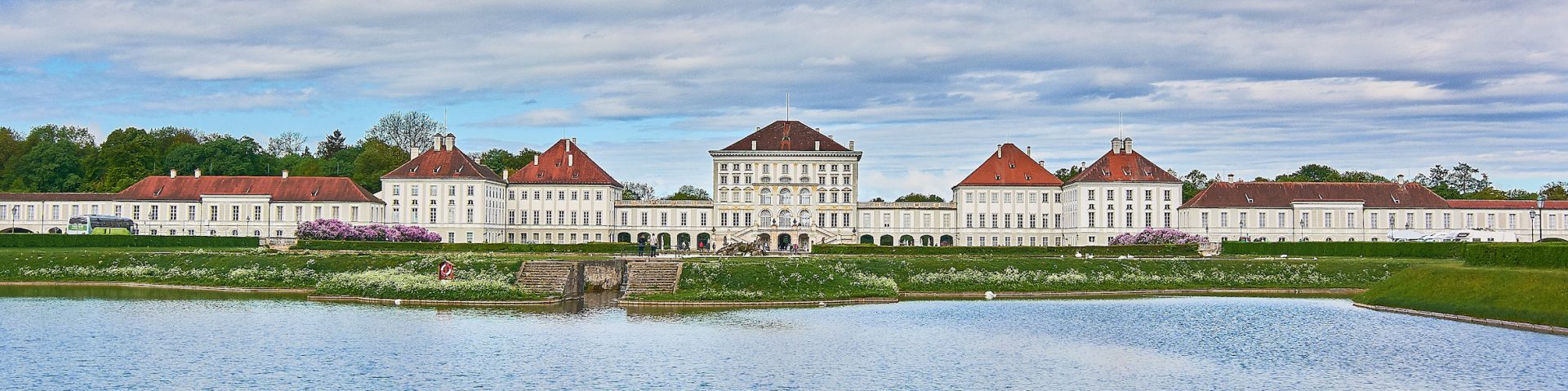
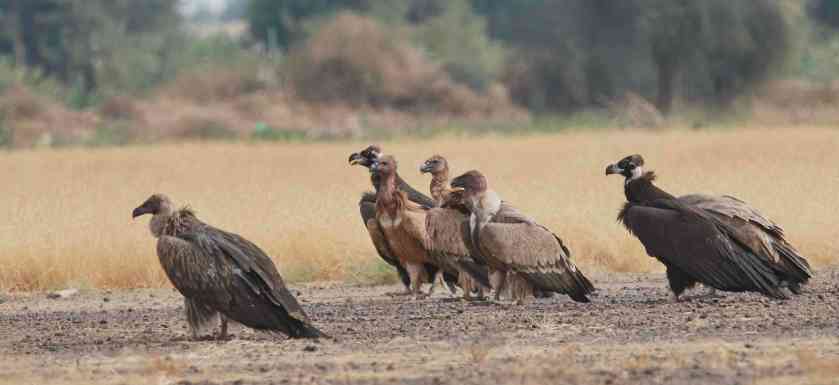
This post is the continuation of a small series documenting my time in the Desert National Park in Rajasthan in the early part of 2023. We had spent the first few drives in this barren but beautiful landscape searching for the highly endangered Great Indian Bustard and gotten a glimpse of it, although from a distance that didn’t make for decent photos. ( Desert National Park, Part 1- In search of the Great Indian Bustard )
With that ticked off the list on that morning and realising that the nature of the park and the fencing within the protected area made sightings of Bustards from close quarters an event which needed some luck. So we decided to focus on some of the other unique birds that inhabit this ecosystem instead of endlessly driving along fences hoping a bustard hops out from behind a bush! A hot freshly made lunch and a short siesta later we set out again. Our host and guide Aliyar told us that a small group of Cream Coloured Coursers, a pretty wader that is found only in deserts was seen close to the lodge itself we headed straight there.
Inspite of their colour which blended into the desert landscape the birds were a picture of grace and beauty. Daintily traipsing amidst the short dry grass and foraging for food they posed well for the camera. It was then we realised how much heat waves are present emanating from the ground in the afternoon even in the height of winter. These are the photographers bane and are impossible to correct by any post processing leaving you with slightly fuzzy photos. Inspite of that it was fun watching these long legged beauties from close quarters till they decided that they had enough of us and flew away.
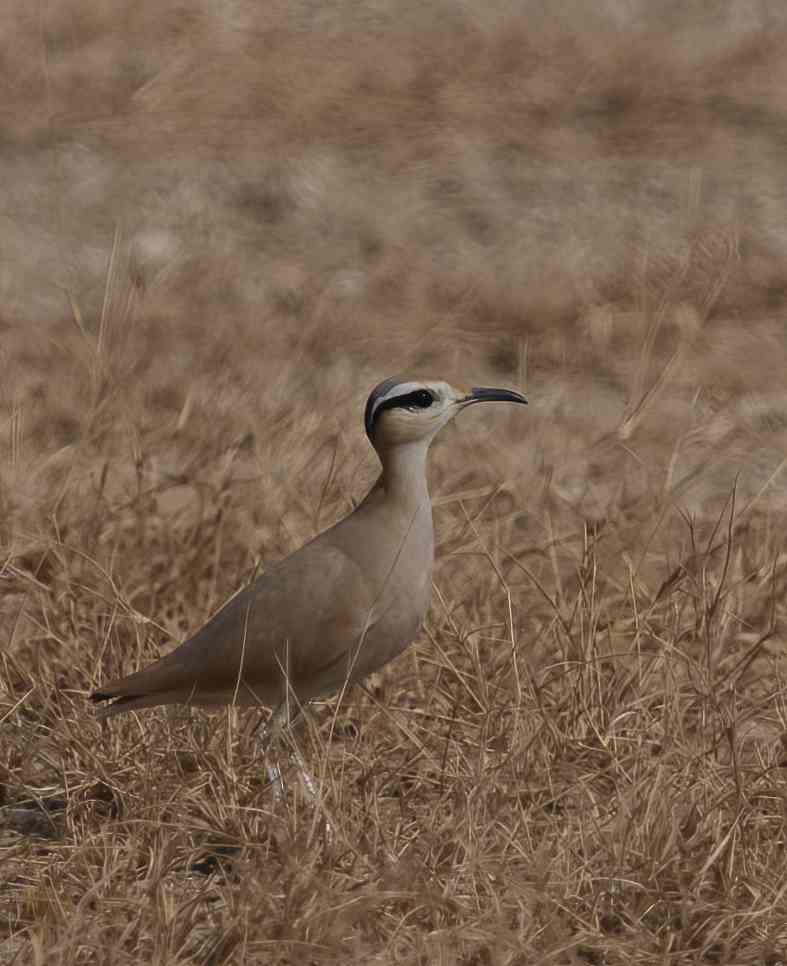
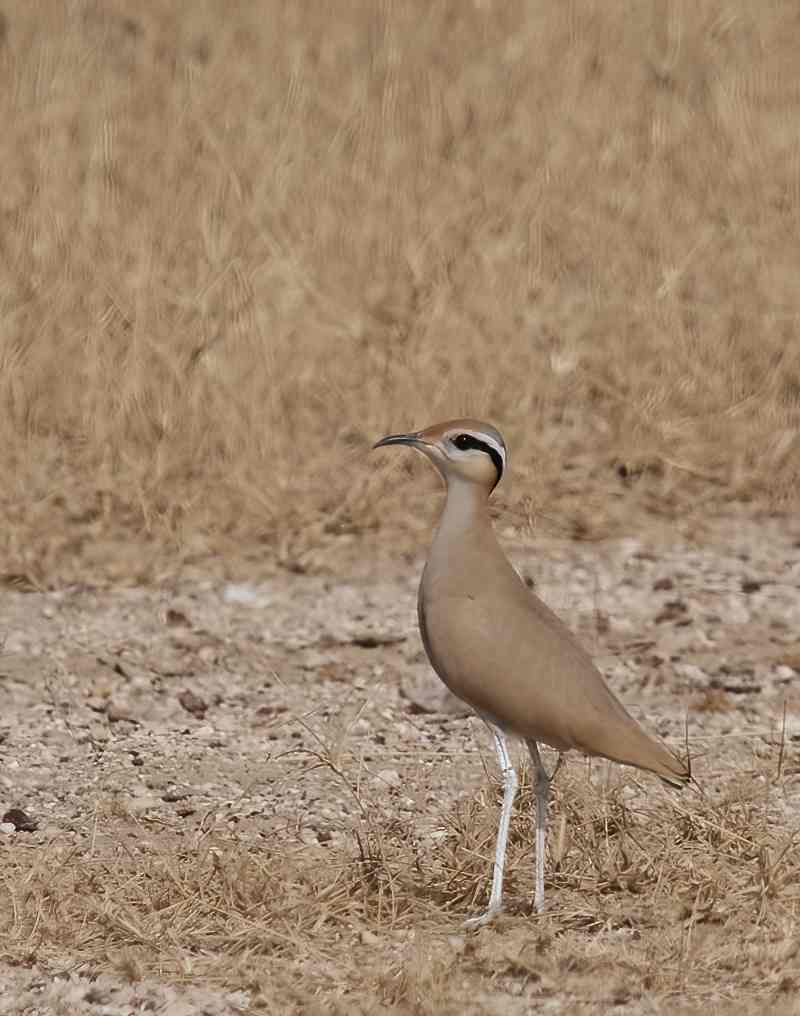
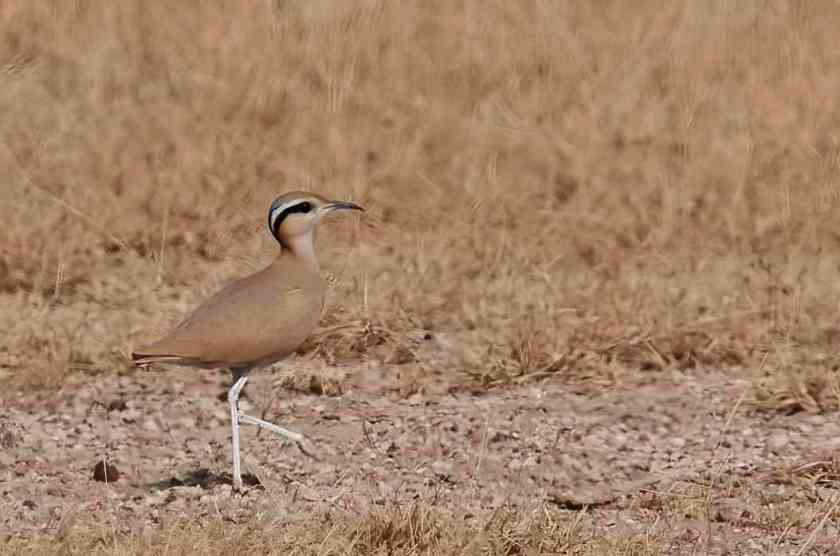
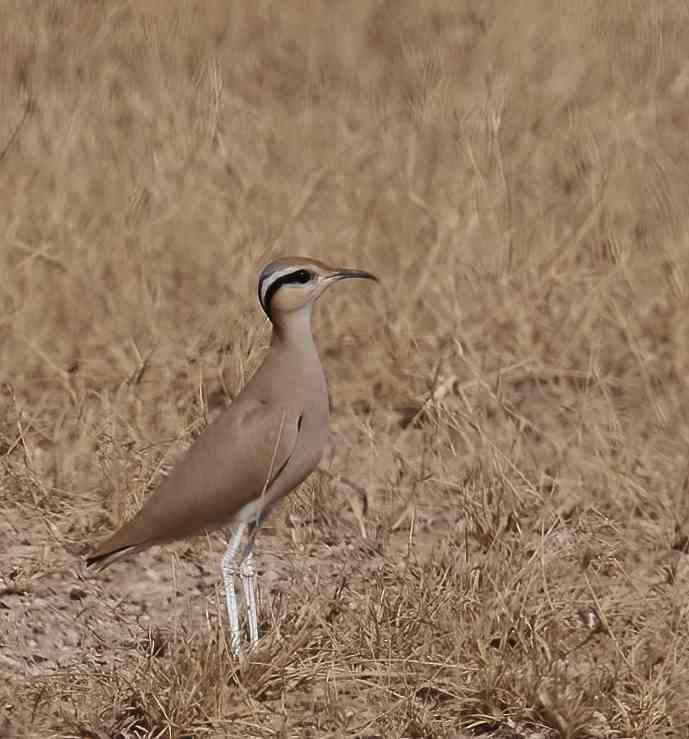
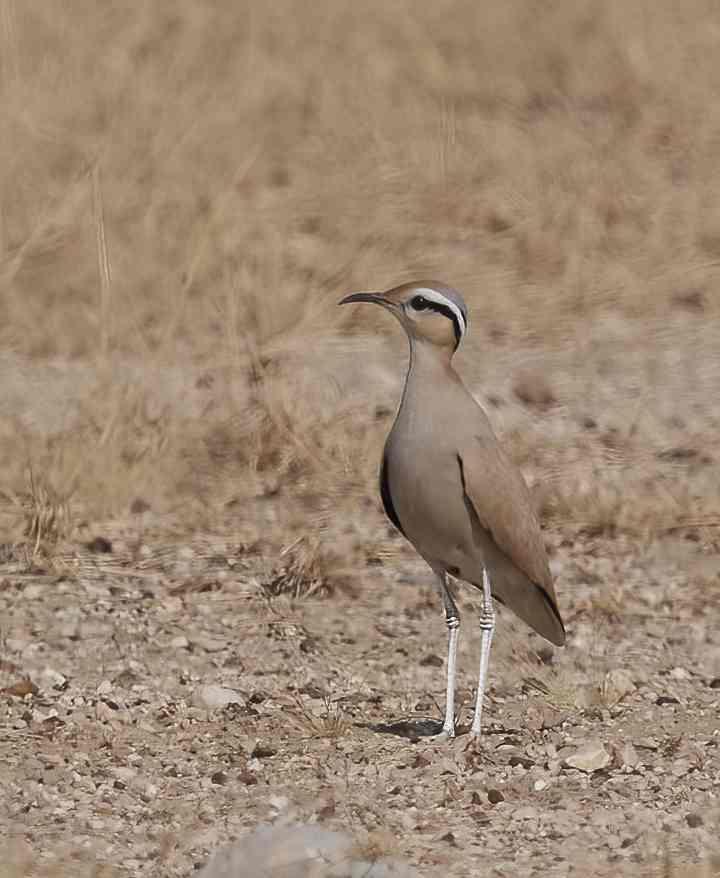
Cream Coloured Coursers posing for the camera in the heat of the afternoon
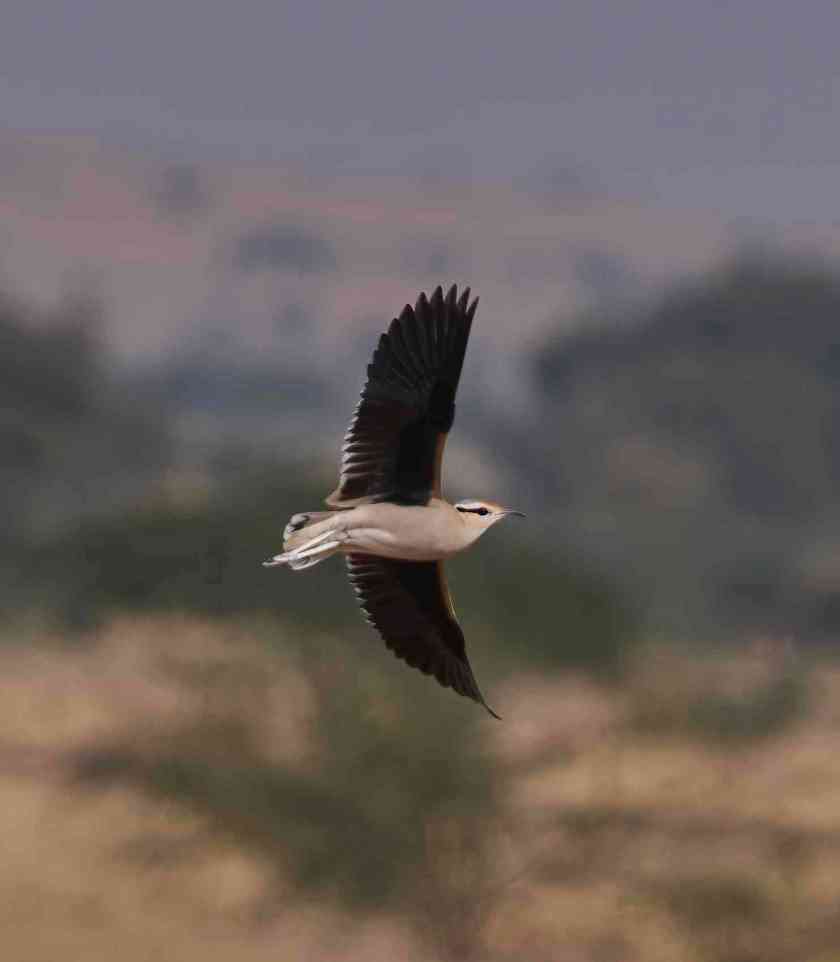
The Coursers have enough of us and fly away
We then moved on to see what else we could find. We first came across a Eurasian Kestrel that was sitting on its high perch and luckily for me flew in the perfect direction and level giving me some of the best Kestrel in flight photos I have till date.

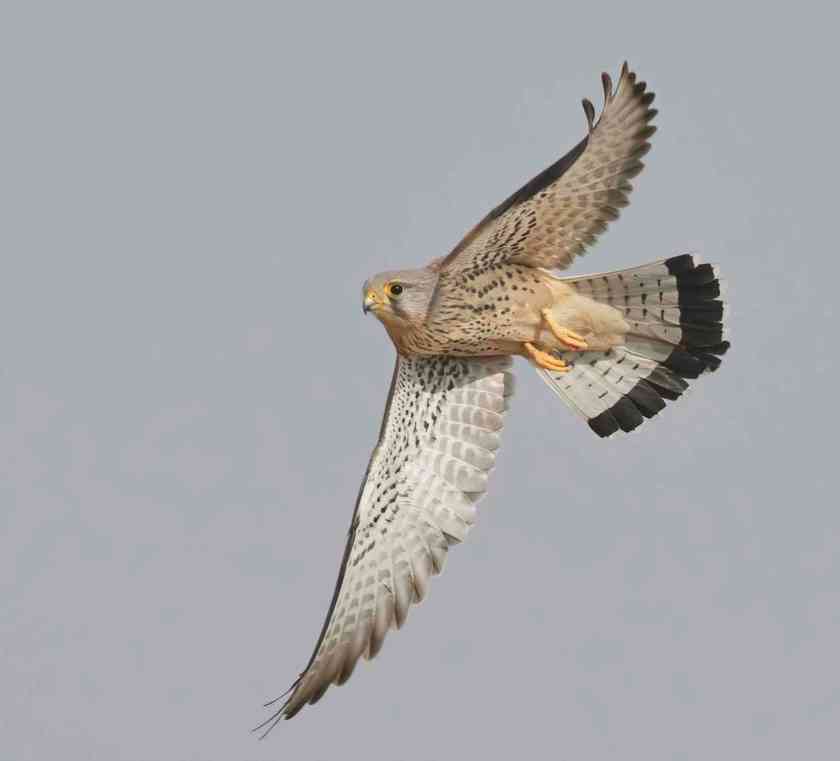
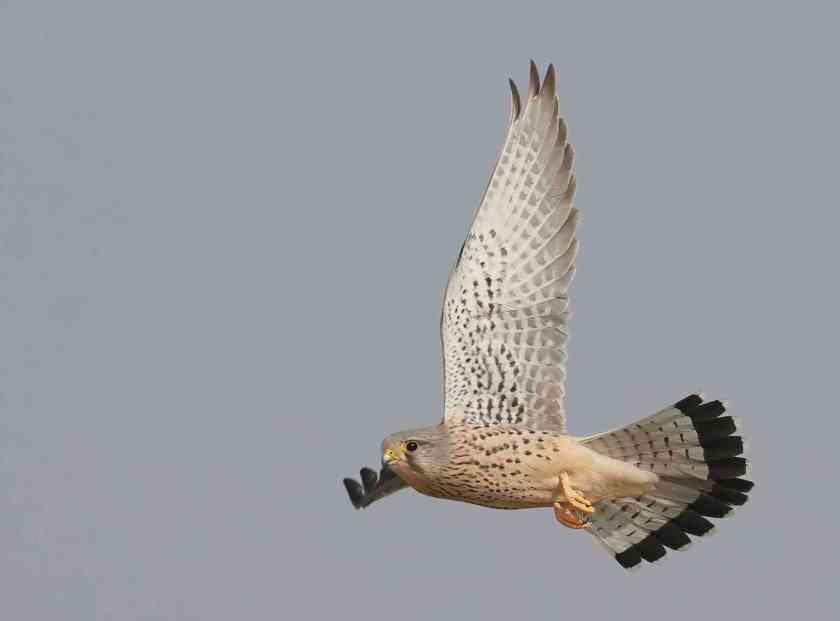
A Eurasian Kestrel gives some near perfect flight photos
After that it was a relatively light afternoon session as we drove around searching for the small predators of the region the Desert Fox and the Desert cat. We had no luck with the feline but after driving around the usual fox habitat we came across a fox that had been afflicted with mange ( a parasitic disease caused by mites) making its lose fur in patches. This is a problem that has been reported in desert foxes quite recently and despite hue and cry on part of environmentalists no efforts have been taken by the authorities to treat them. A sad reality of wildlife conservation in India where high profile species like the Tiger, the Asiatic Lions of Gir, One horned Rhino of Kaziranga get all the media attention and resources. The lesser known but equally endangered species like the desert fox, the vultures and the Great Indian Bustard are left to fend for themselves!
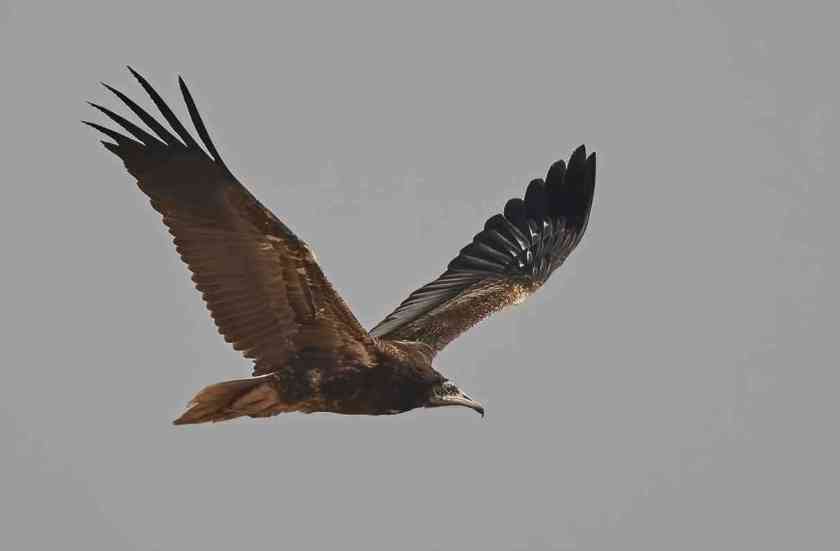
A juvenile Egyptian Vulture in flight
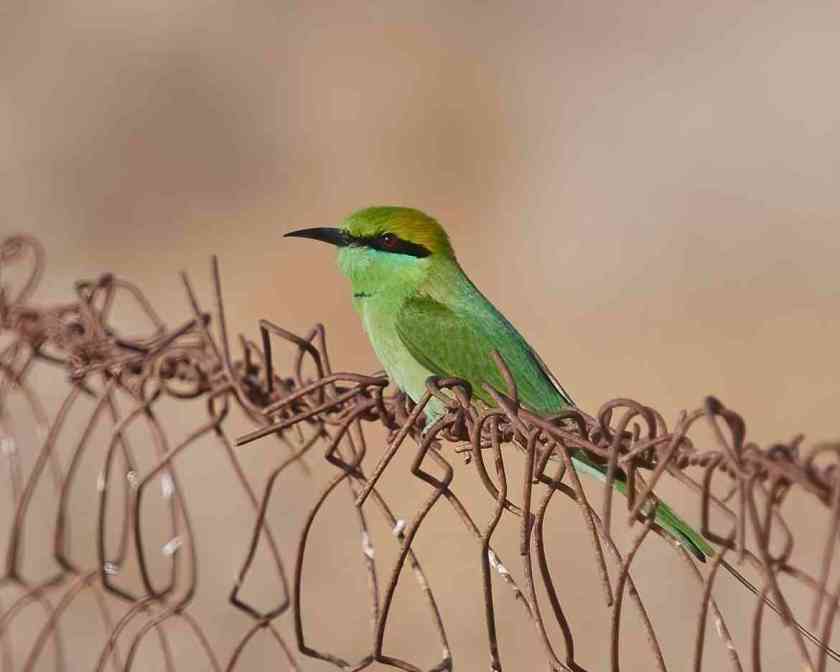
A green bee eater on the fence at the DNP
We followed the fox at a relatively safe distance so that it didn’t get spooked and took some photos. Though it was nice to spot a desert fox in its habitat it was sad to know the apathy faced by these beautiful creatures and I hope the authorities act to find a way to treat these creatures.
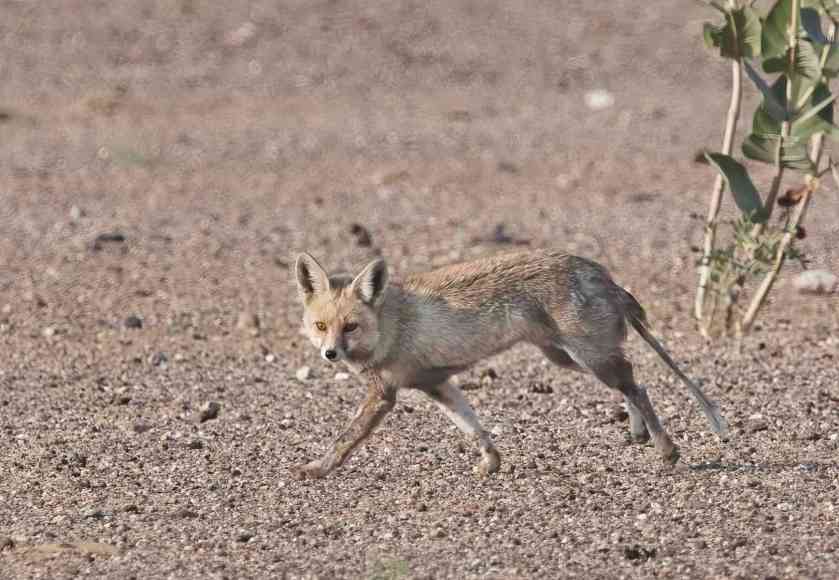
A mange afflicted fox at the DNP

A pretty photo op provided of the fox amidst the bushes
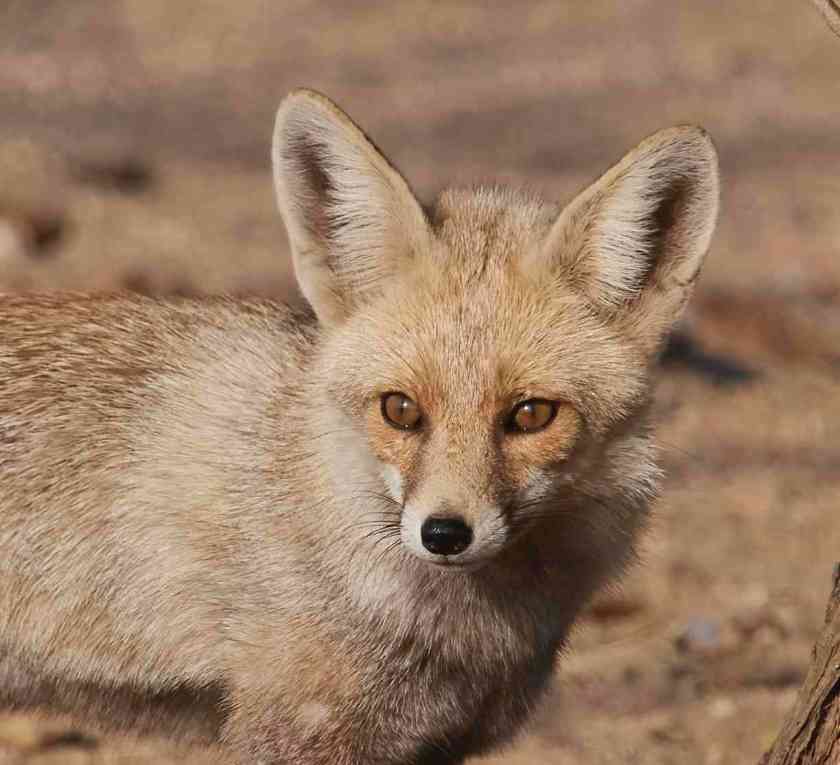
The Fox looks directly at the vehicle at close quarters before bounding off
After that sighting Aliyarbhai suggested to see if we had any luck at a road side artificial pond which is the only waterbody in the region which has water all the time. There might be the off chance of the trumpeter finches visiting the pond for a drink. We parked our vehicle and stayed at a safe distance away from the pond and not in direct vision. Even though we didn’t have any luck in spotting any rare species at the pond which frustrated my friend, I had fun watching and taking photos of the huge flock of sparrows enjoying themselves at the pond with intermittent visits from common birds like the white eared bulbul, collared dove and common babbler. We even spotted a stray rufous tree pie which is not usually seen in such landscapes.
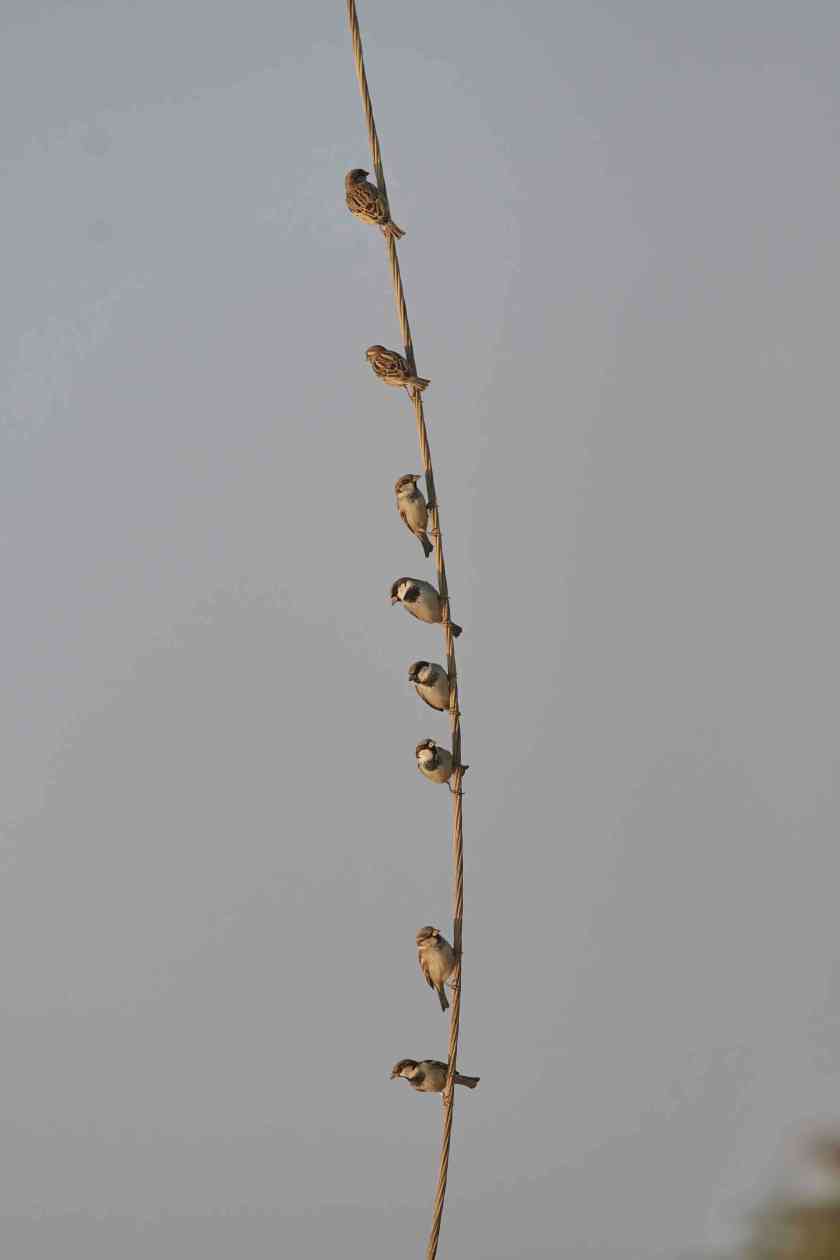
Sparrows wait for their turn at the pond ( Yes the photo is correctly oriented!)
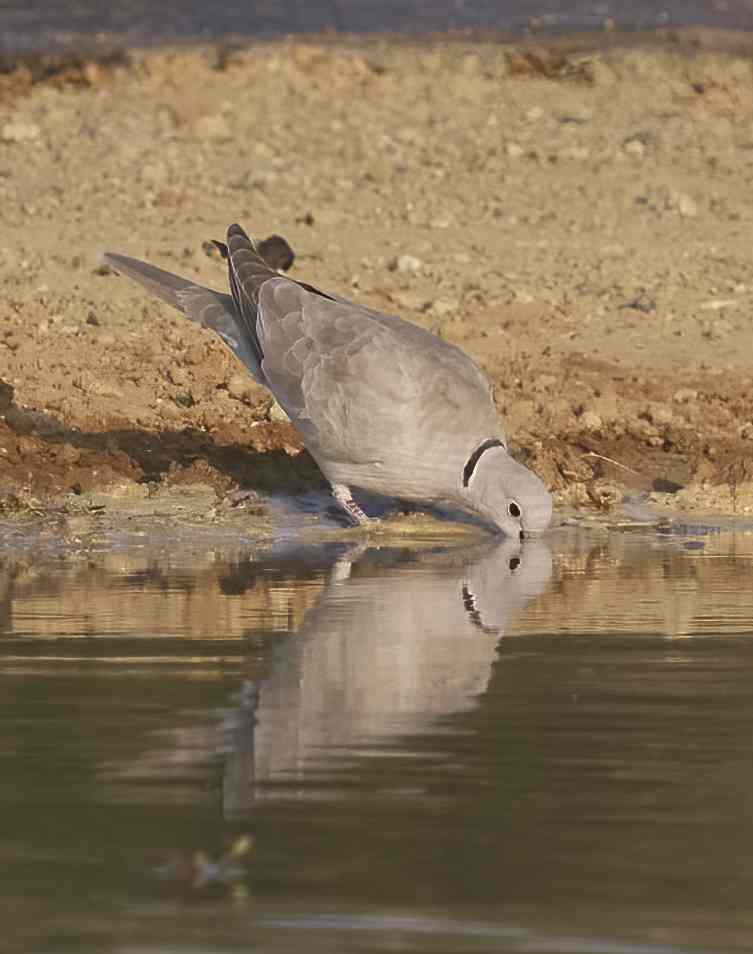
A collared dove has a drink

Huge flocks of Sparrows at the DNP
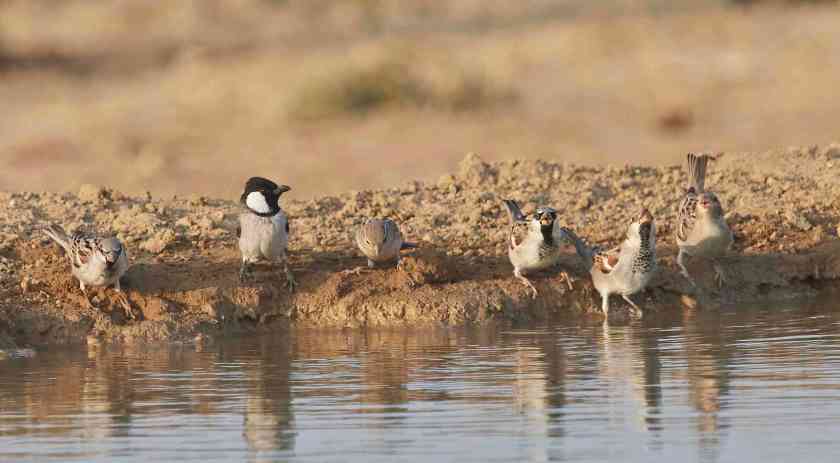
A white eared bulbul crashes the sparrow drink party
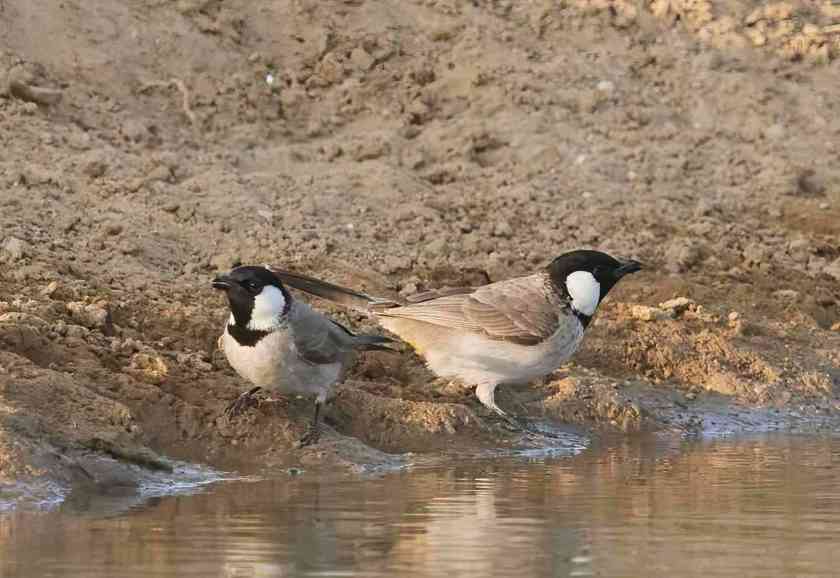
A White eared Bulbul couple have their time at the pond
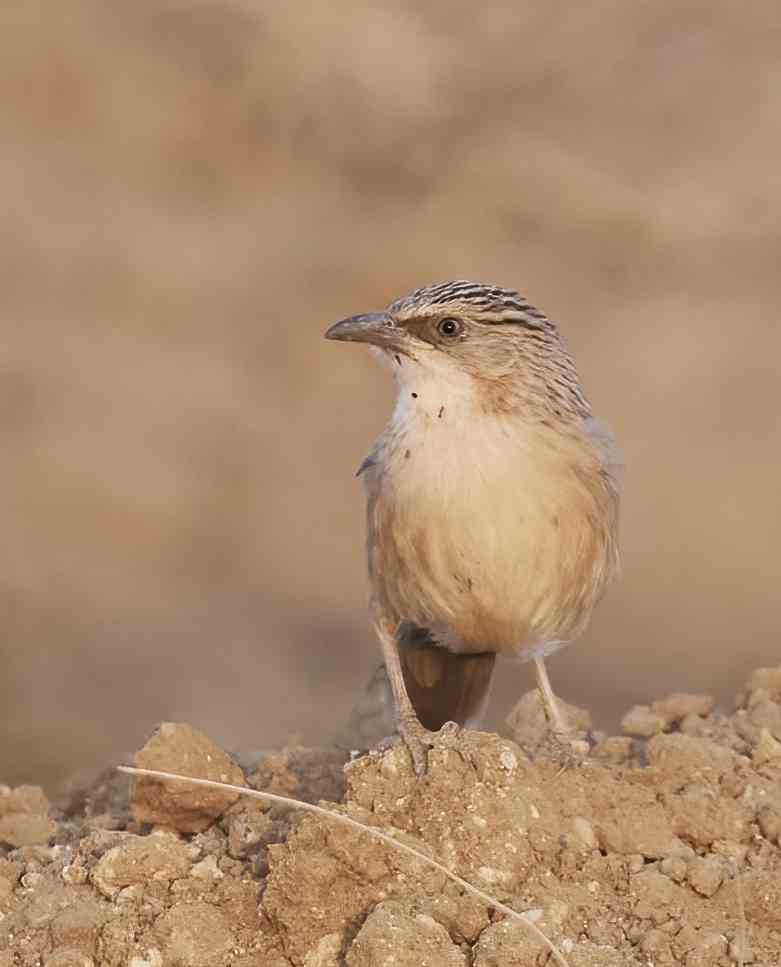
A Common Babbler at the pond for a drink
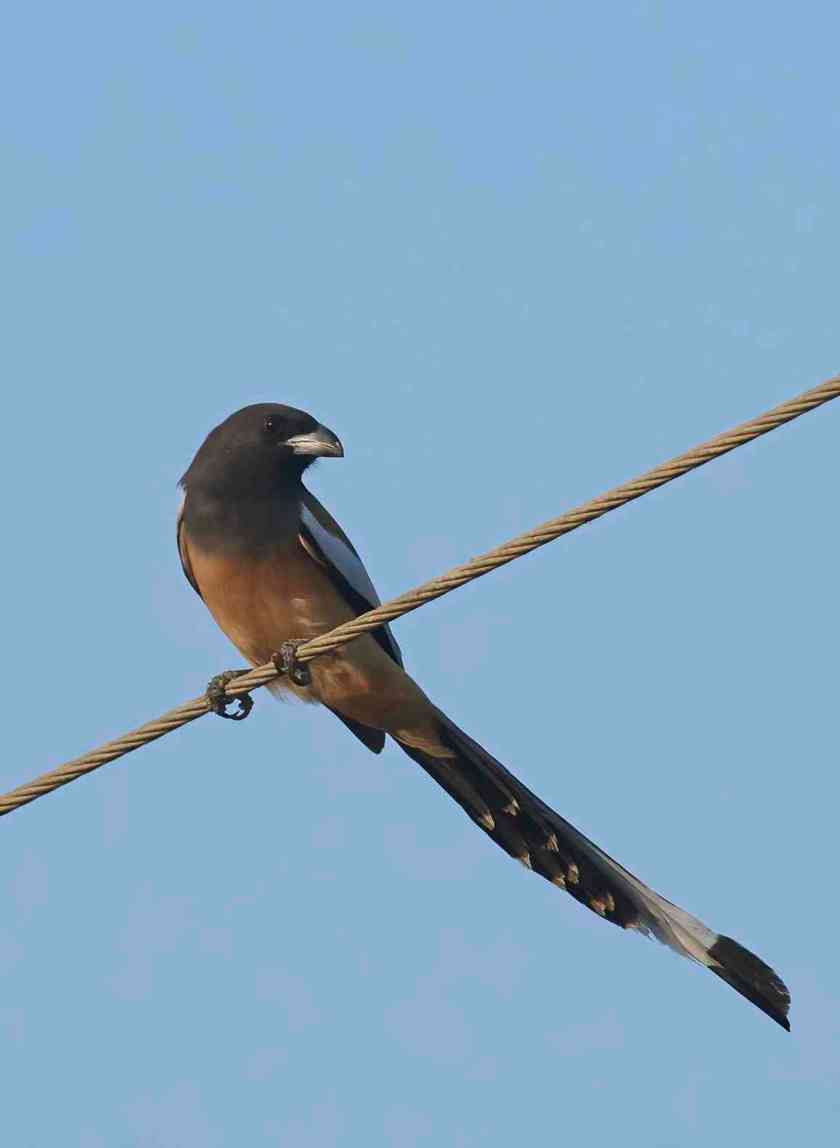
A stray Rufous tree pie some distance away from it’s usual habitat
It was almost dark now but my friend spotted a raptor in the trees just opposite from the pond and we went there to investigate. It was an imperial eagle but it was in no mood to have it’s evening disturbed by crazy people with long lenses. So after giving us a deadly stare it flew off and we started our return to the lodge reaching just before it became dark.
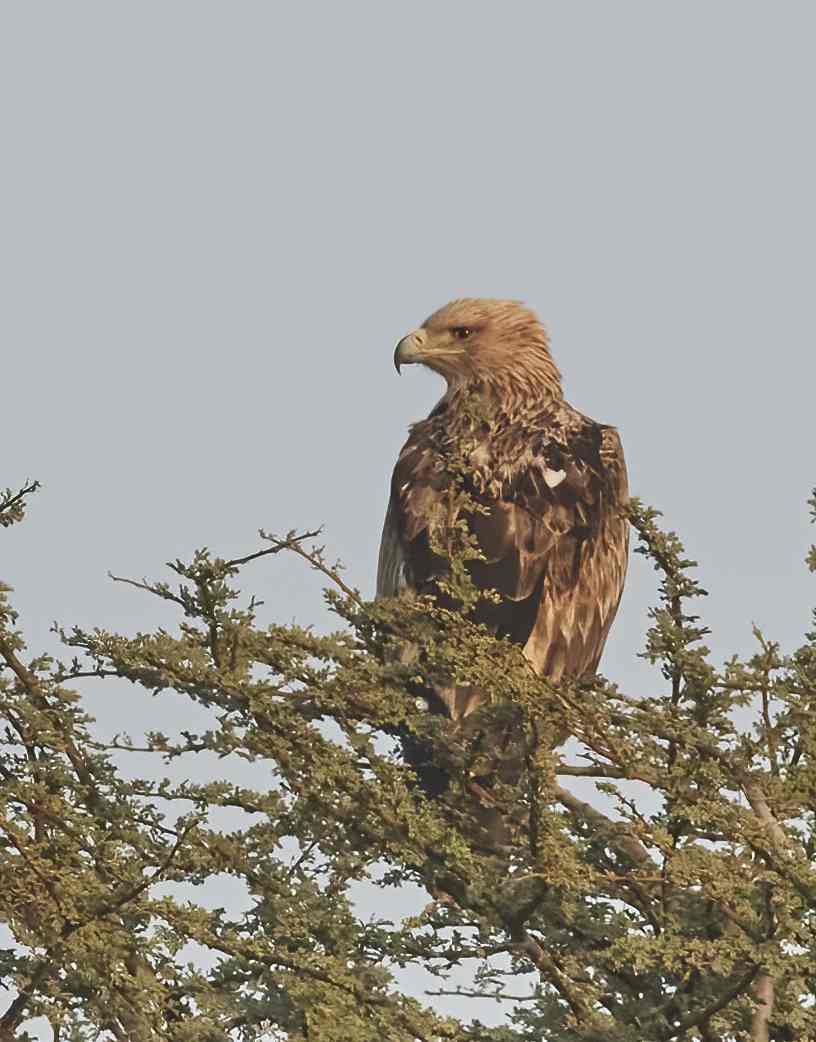
An Imperial Eagle gives us a stare before flying off
With another day in the DNP behind us we had a by now predictably good hot dinner in the open on a cold desert night and retired for the night. My friend was complaining about how we hadn’t spotted a single flock of Vultures that the region is known for, little did he know what we had in store the next day!
The next morning we got up early as usual decided to search for yet another unique bird found in the region the Greater Hoopoe Lark. This Desert based ground feeder is characterised by it’s larger size and typical downturned bill. We set off before sunrise on a cold desert morning and travelled a significant distance to a rocky almost barren place off the road where the Hoopoe Lark had last been reported. We spotted a Steppe Eagle sitting on a pile of boulders which was the highest point in the region. The sun was just starting to come up and we took a few record photos of the Eagle before we started our search for the Hoopoe Lark.
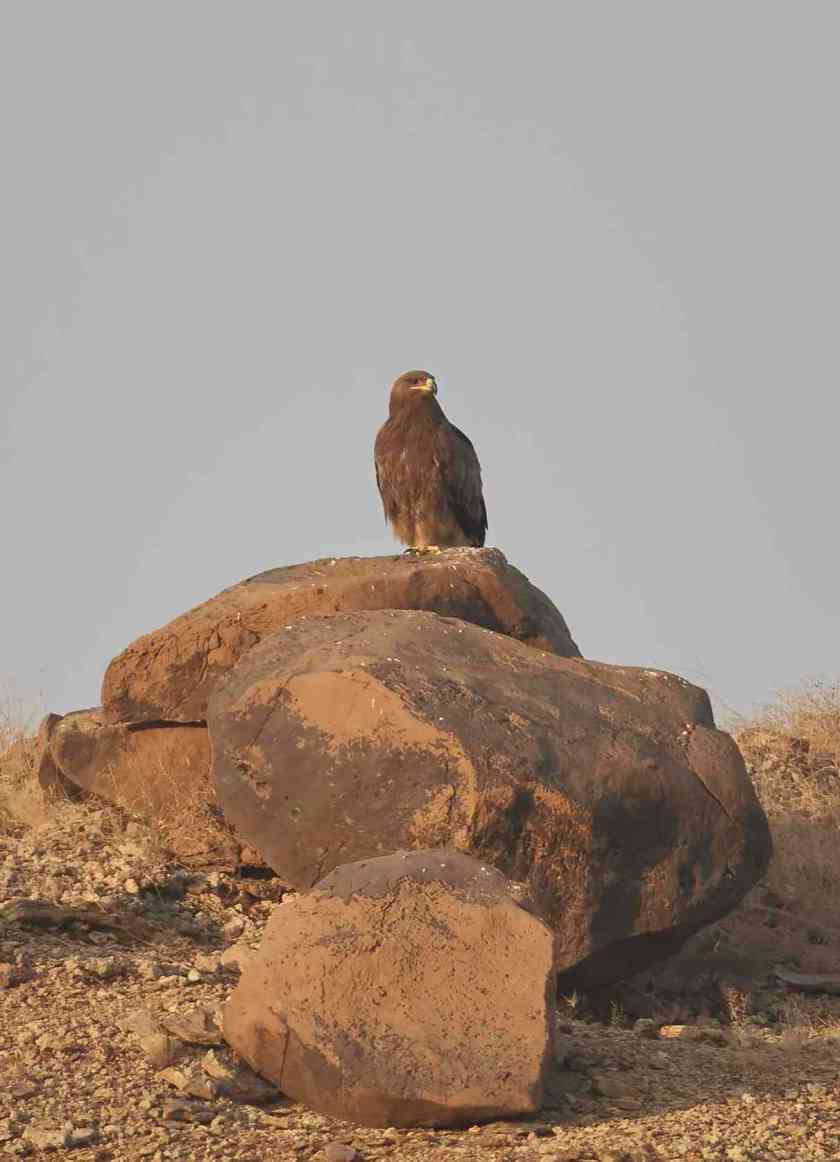
A Steppe Eagle on it’s high vantage point surveys the area
We crisscrossed the entire motor able area for a good hour and some change. No sign of the Hoopoe Lark. We only found a couple of Desert Larks sitting and turning their heads looking at us as if what has gotten into us to drive around in circles.
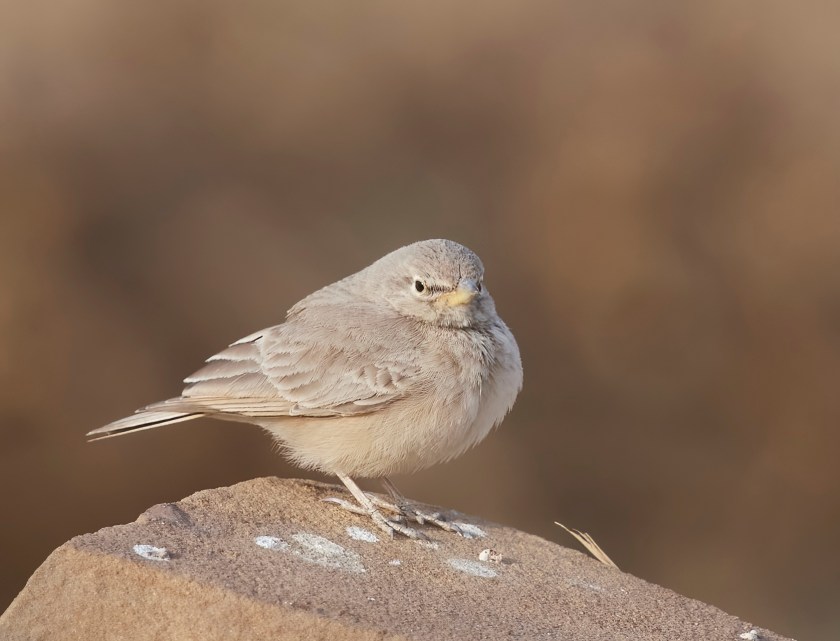
A plump looking desert lark looks quizzically at us
We even spotted a couple of Egyptian vultures in the distance and one on a rocky ledge close by but still no Hoopoe Lark. We were starting to think this might be a lost cause when suddenly Aliyarbhai spotted something and our Gypsy flew towards the location.
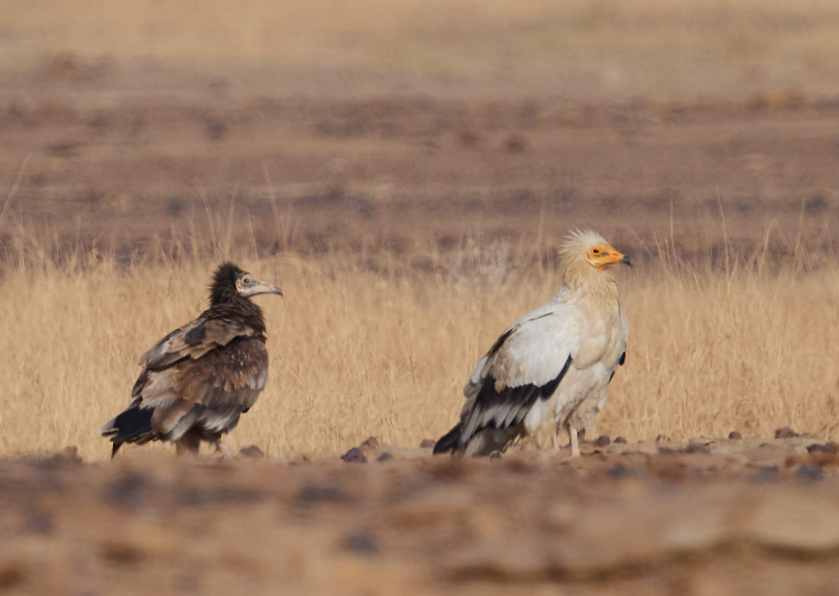
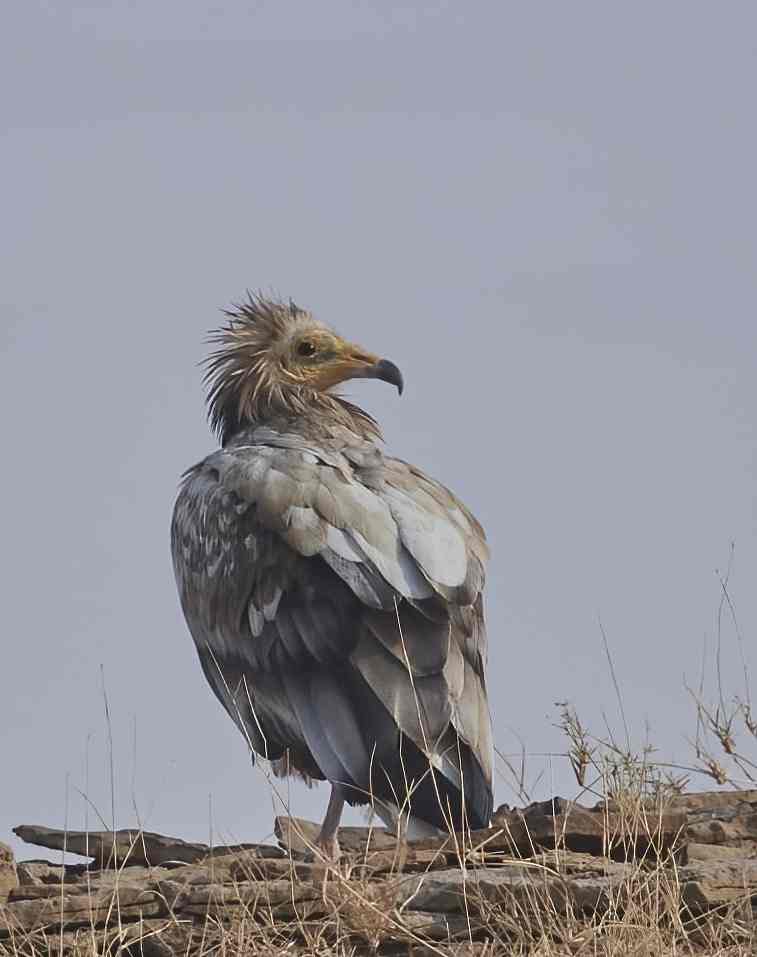
The Egyptian Vultures look in wonder at our activities too
There it finally was, the plain looking but extremely elusive Greater Hoopoe Lark. I started taking photos from a distance only – who knows , it might only be interested in living a long distance appearance! It certainly looked that way when it suddenly flew away in a flash giving me a peek at its beautifully patterned wing under feathers.
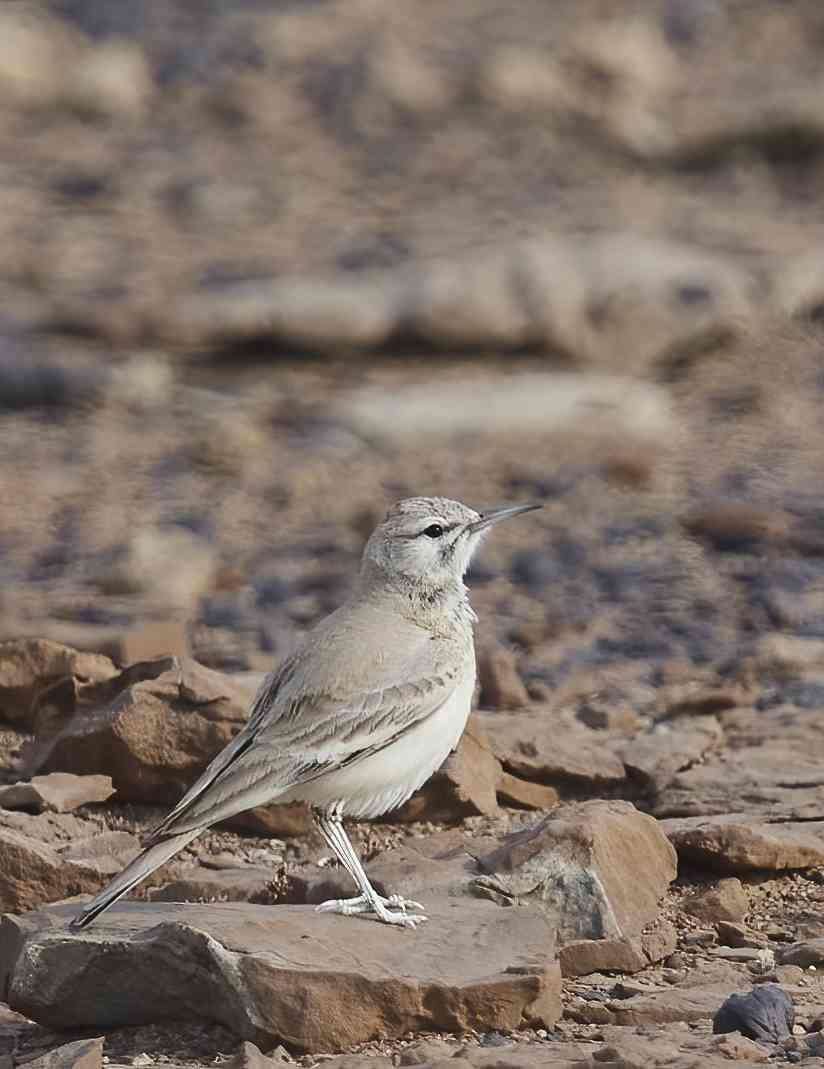
At last the Greater Hoopoe Lark
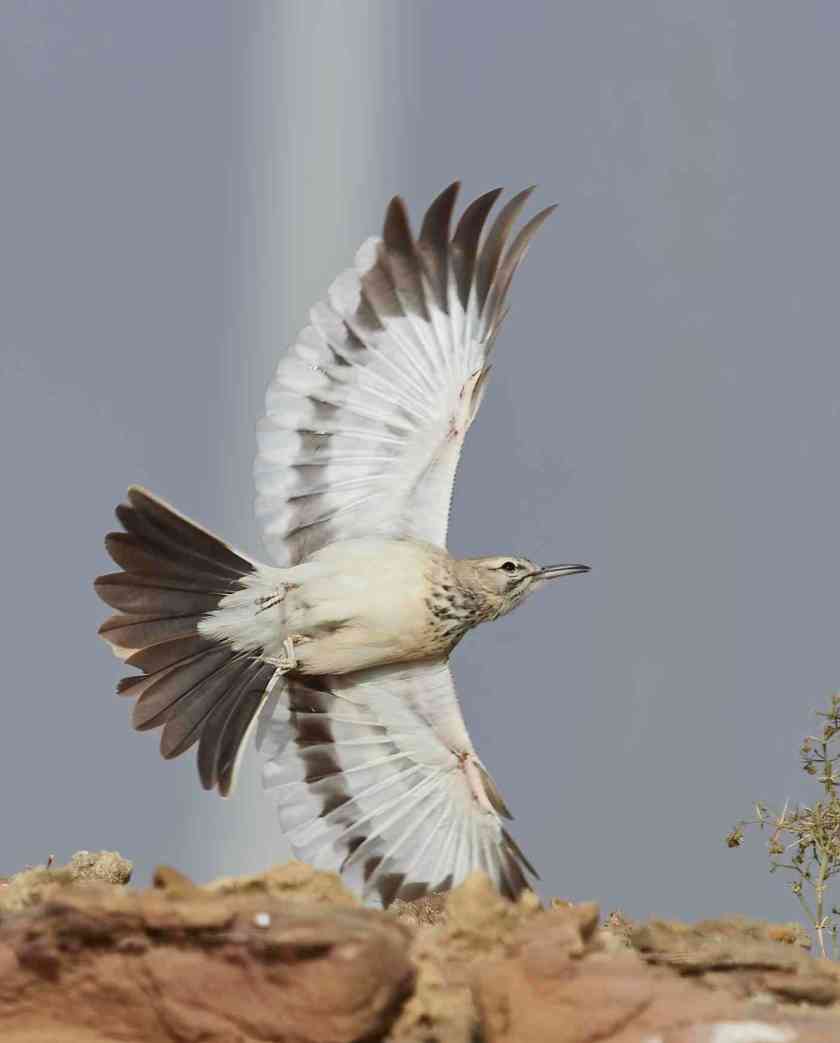
The Hoopoe Lark gives a view of its beautifully patterned wing feathers
We were wondering whether we will ever see it again that morning. That’s when it’s advantageous to have an experienced local birding guide. Aliyar managed to find the bird and this time we stopped at a distance and proceeded on feet. We crawled on our haunches as we got closer and then crawling belly down on the desert floor. All the effort was worth it though as we got extremely close to the bird and got some satisfactory photos. That’s what birding has taught me in life, if you are patient and put in the efforts with the right resources in hand, your chances of success are high.
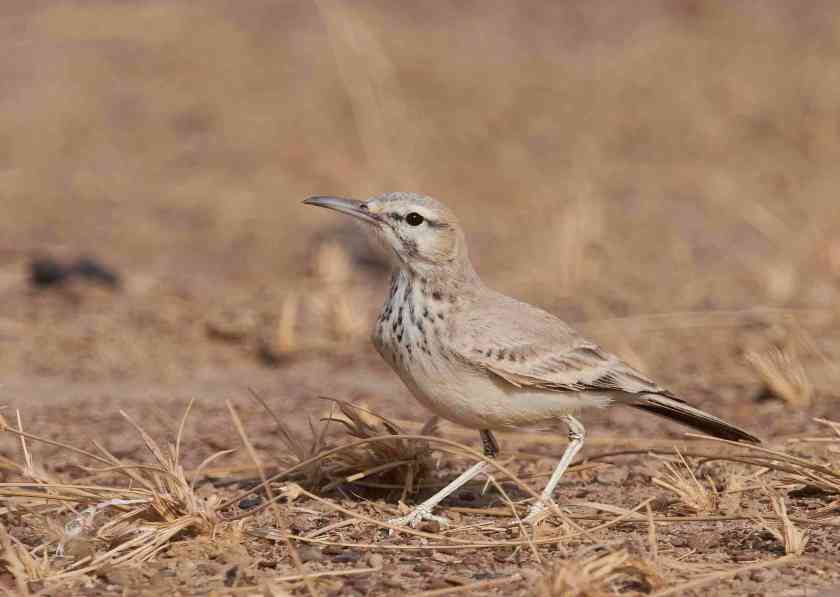

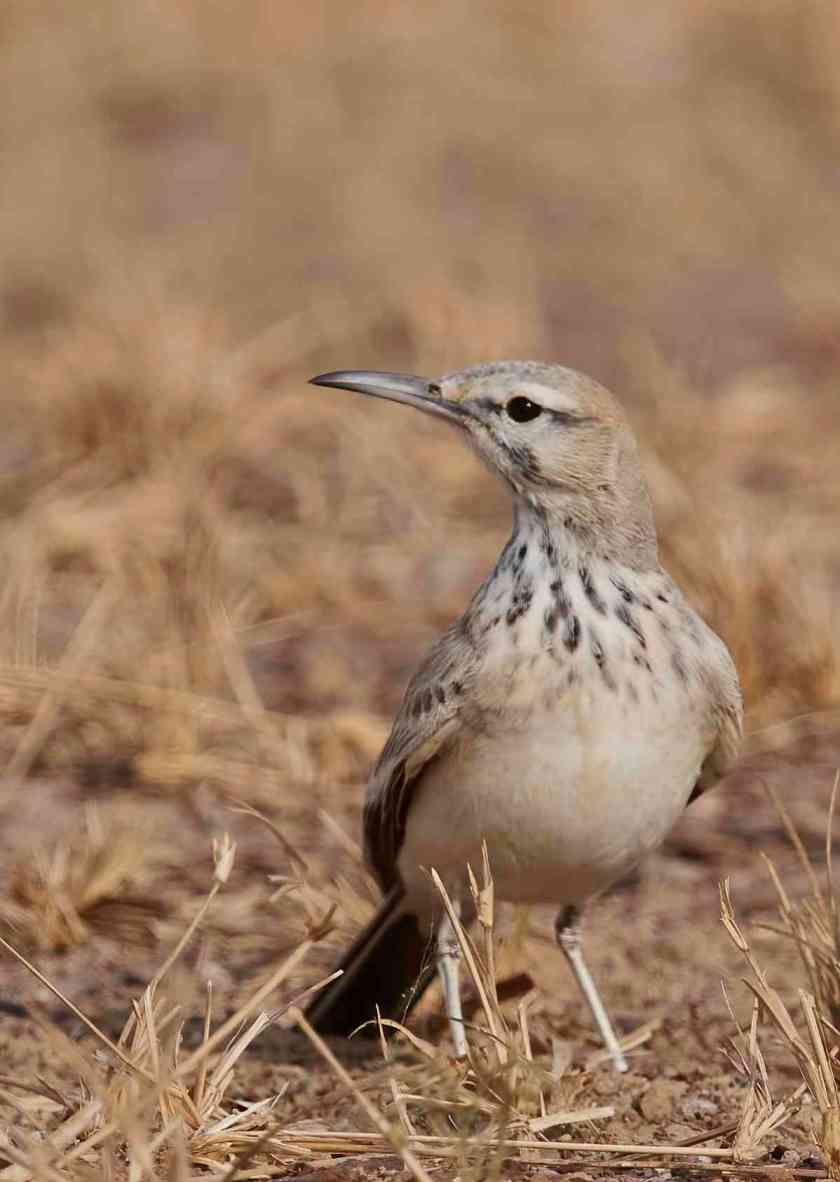
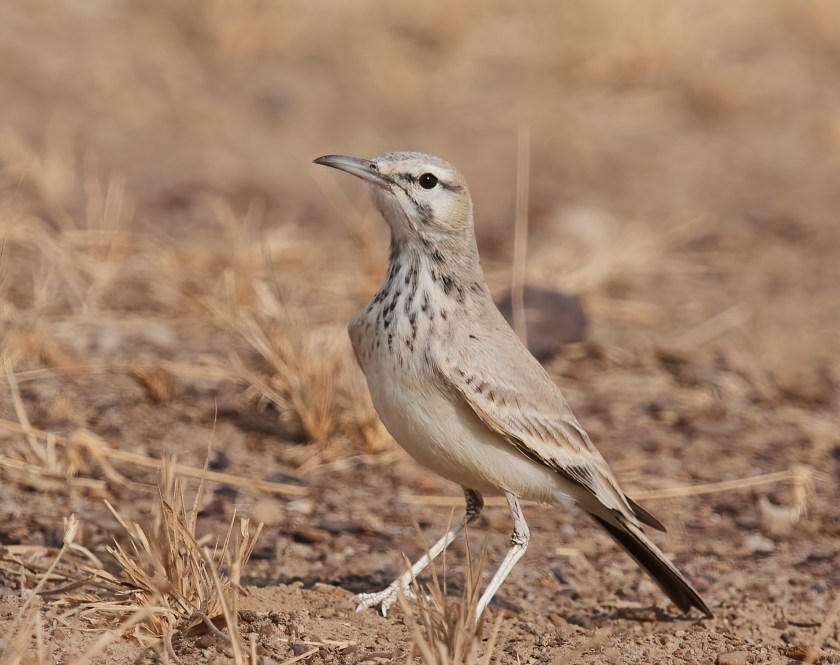
Some poses and a portrait of the Greater Hoopoe Lark at the DNP
Then it suddenly took off and flew away into the distance and both me and my friend who had 100+ photos of the bird already, wondered what happened as a bird photographer has never taken enough photos! We got off the floor and dusted our clothes off to see what had spooked the bird. The entire horizon was dusty and from the dust was emerging a herd of cattle.
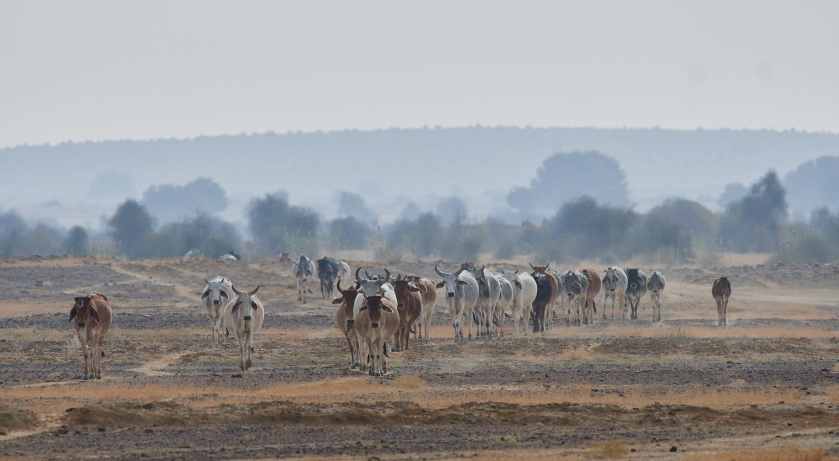
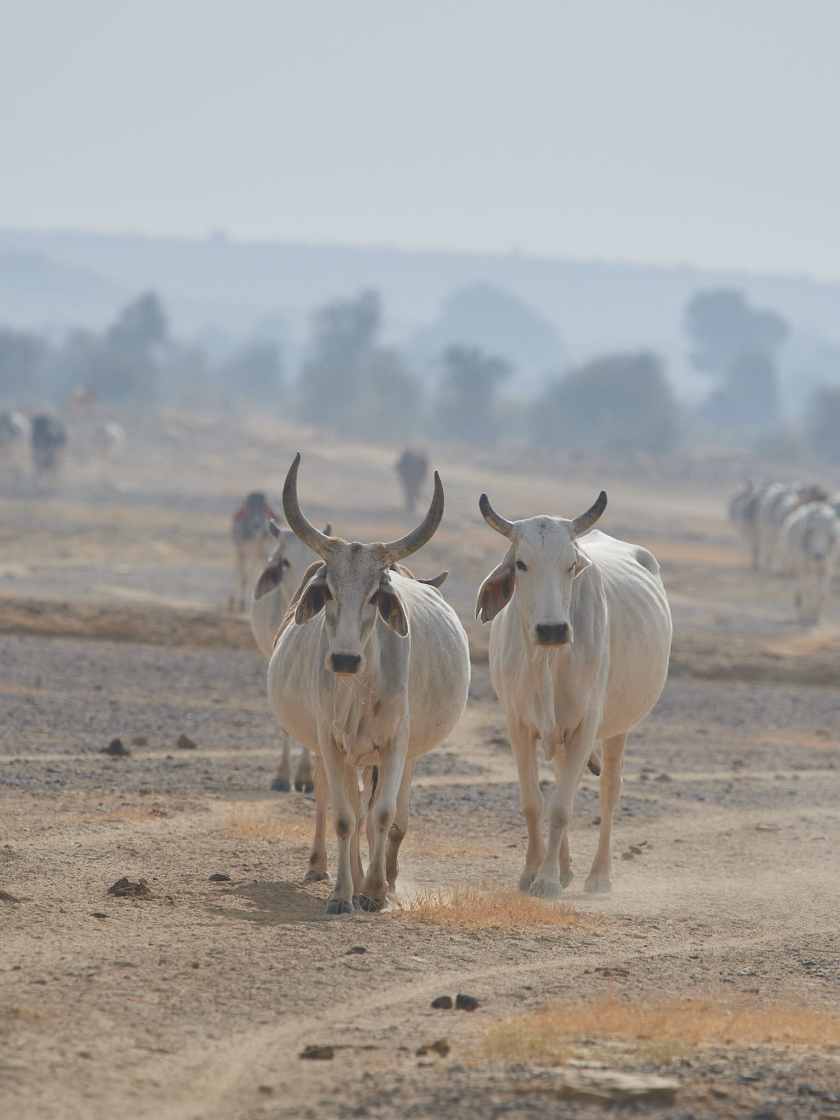
A herd of cattle emerges from the horizon at DNP
We then returned to our vehicle and started on our way back to find something else with one target having been achieved. We came across a cattle carcass with only Egyptian Vultures around it and we wondered where all the Cinereous Vultures and Griffon Vultures had disappeared. The number of vultures has decreased dramatically in the past few decades due to the use of the drug diclofenac in cattle that makes the vultures die in days of kidney failure when they feed on a carcass with the drug in it. We were thinking that we would return without a single big vulture sighting. That’s when Aliyar got the call from another guide in the region Musa and the gypsy achieved it’s maximum possible speed as we held on tight with white knuckles as Aliyar zoomed towards the location!

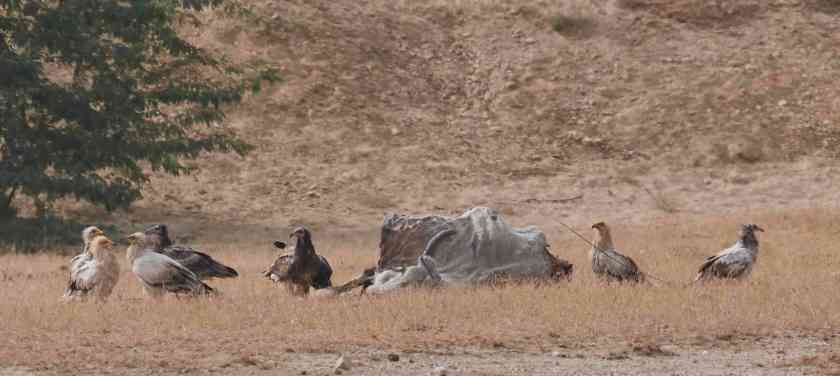
A cattle carcass with only Egyptian Vultures around it
A group of Cinereous and Griffon vultures had been spotted and Aliyar having heard us mutter enough about the absence of these till now wanted to shut us up. A terrifying drive later we approached a clearing in the grass and sitting coolly in the patch was a big mixed group of vultures. We got to a spot where we were parallel to how the group of vultures was oriented as we wanted to see if any of them took off or more landed, so that we got some good flight photos.
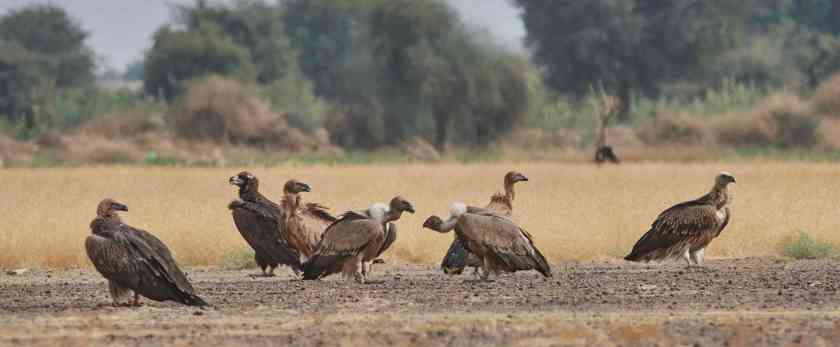
Once again down to the floor we went and started clicking away to glory. My friend finally had a full smile on his face as he got his date with the vultures. Having seen Eurasian and Himalayan Griffons before I was more interested in the huge dark feathered Cinereous Vultures and got photos of them in all sorts of poses.
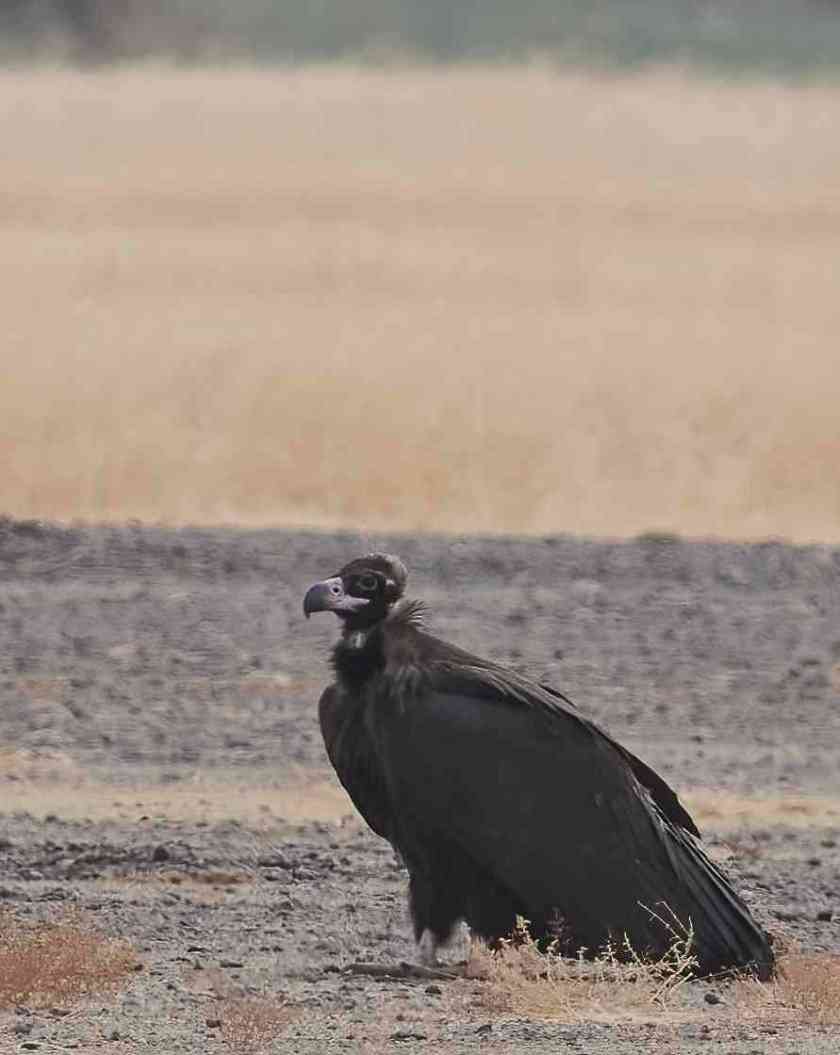
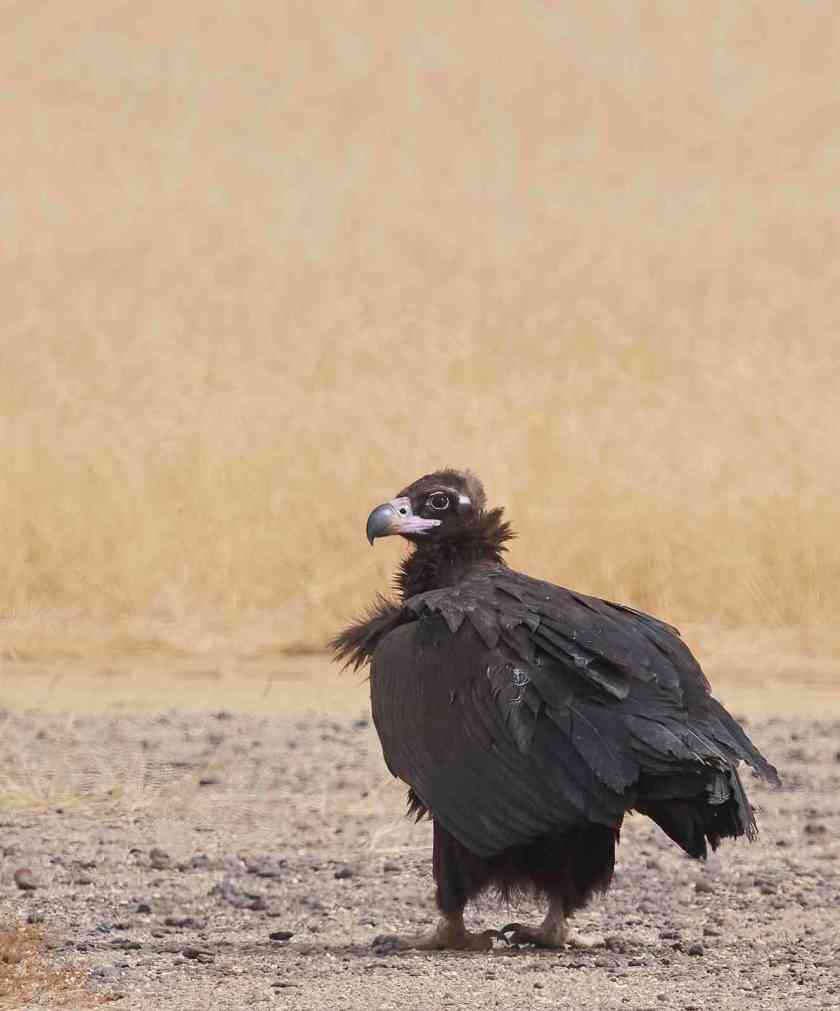
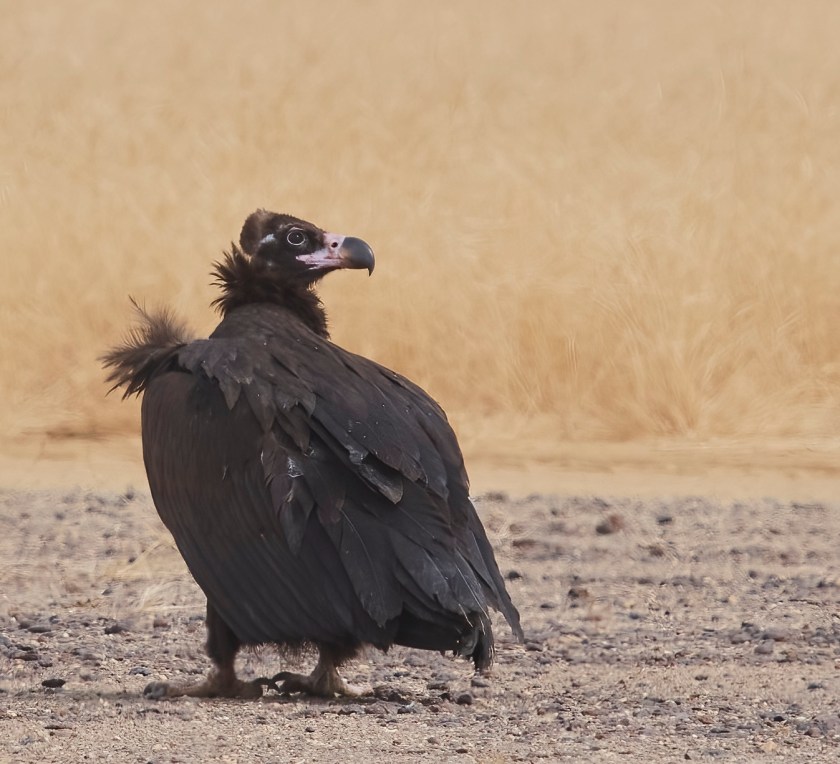
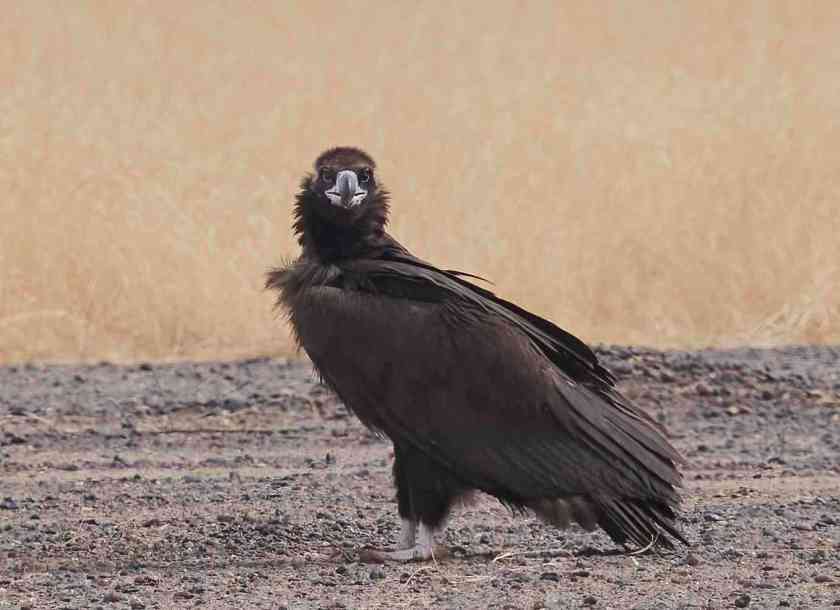
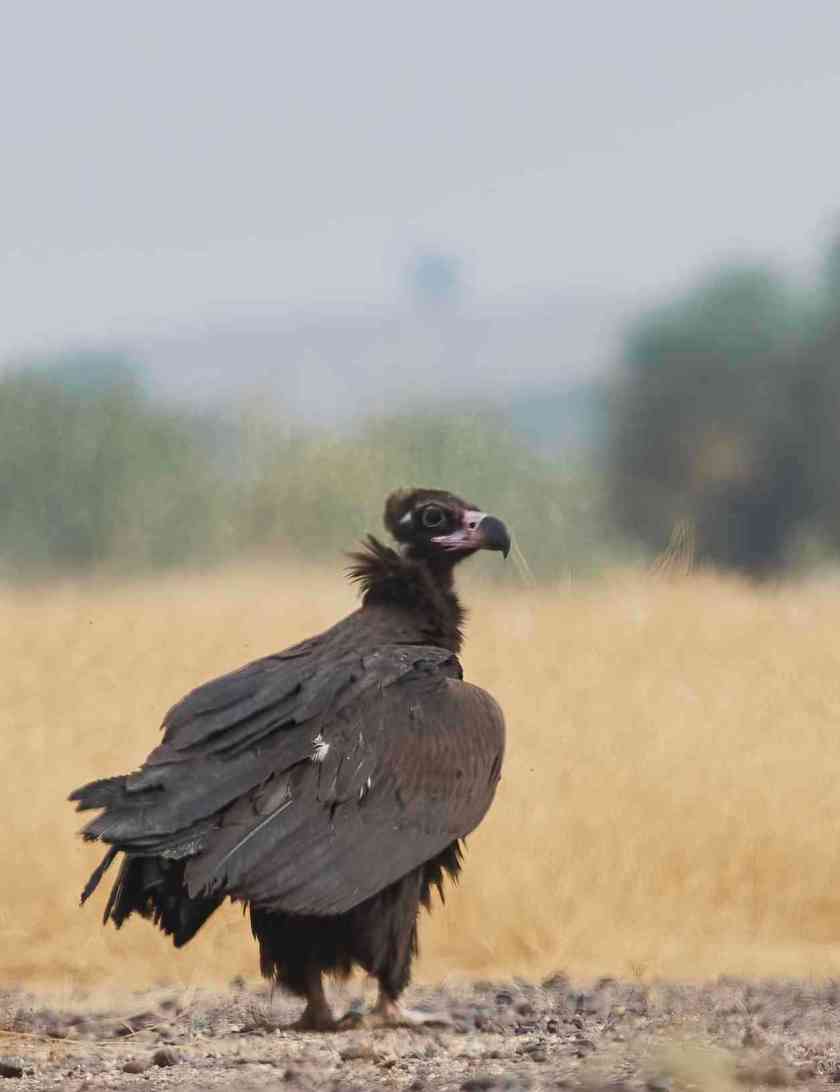

Various poses of the massive Cinereous Vultures at DNP
The Griffons might have started feeling ignored as more started flying in and the 300mm was in Bird in flight paradise. Taking series after series of vultures flying in and landing in the patch. It was the most fun we had in this trip and I filled up my memory card.
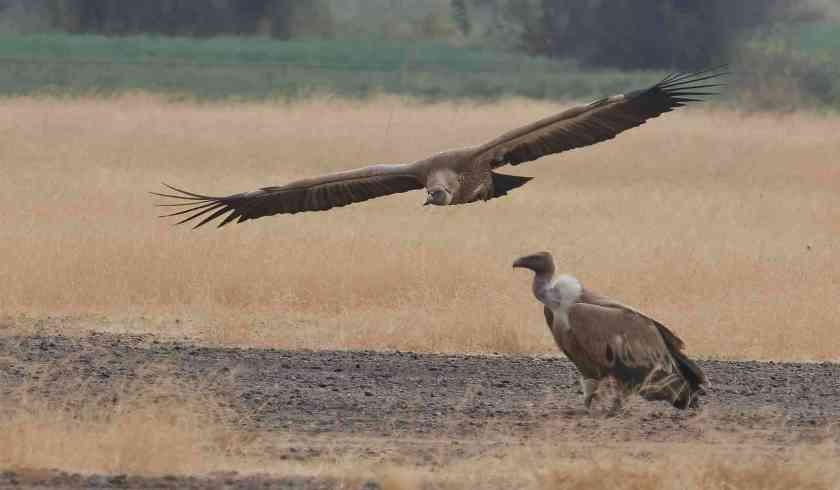
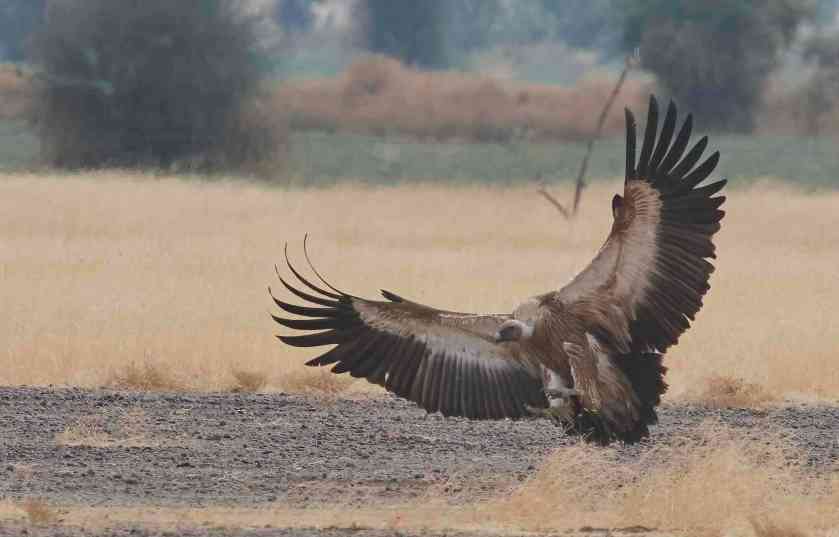
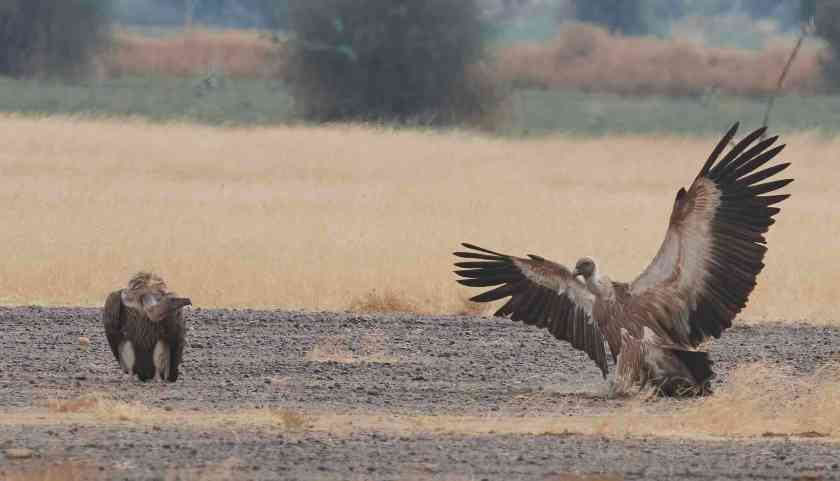
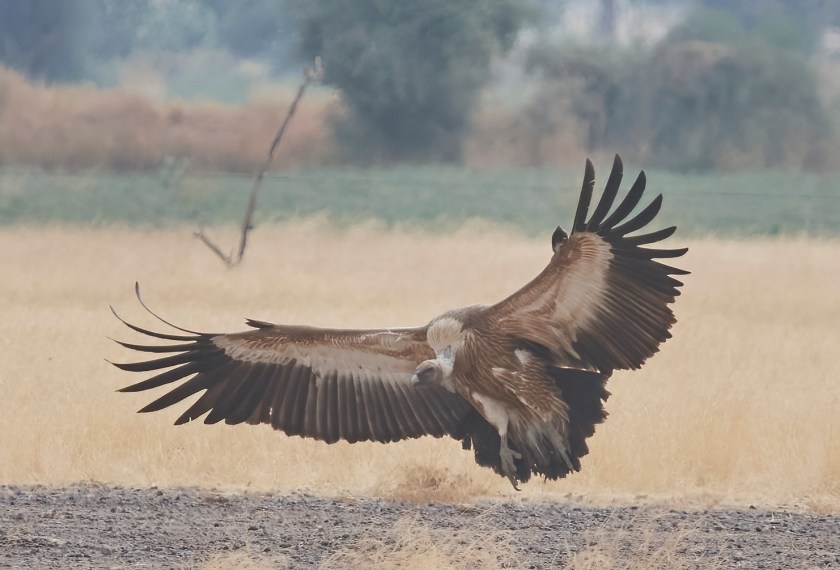
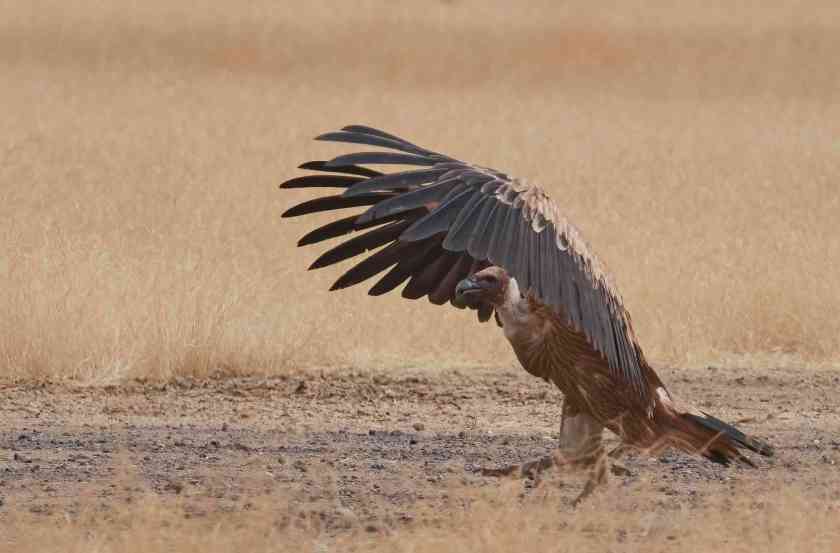
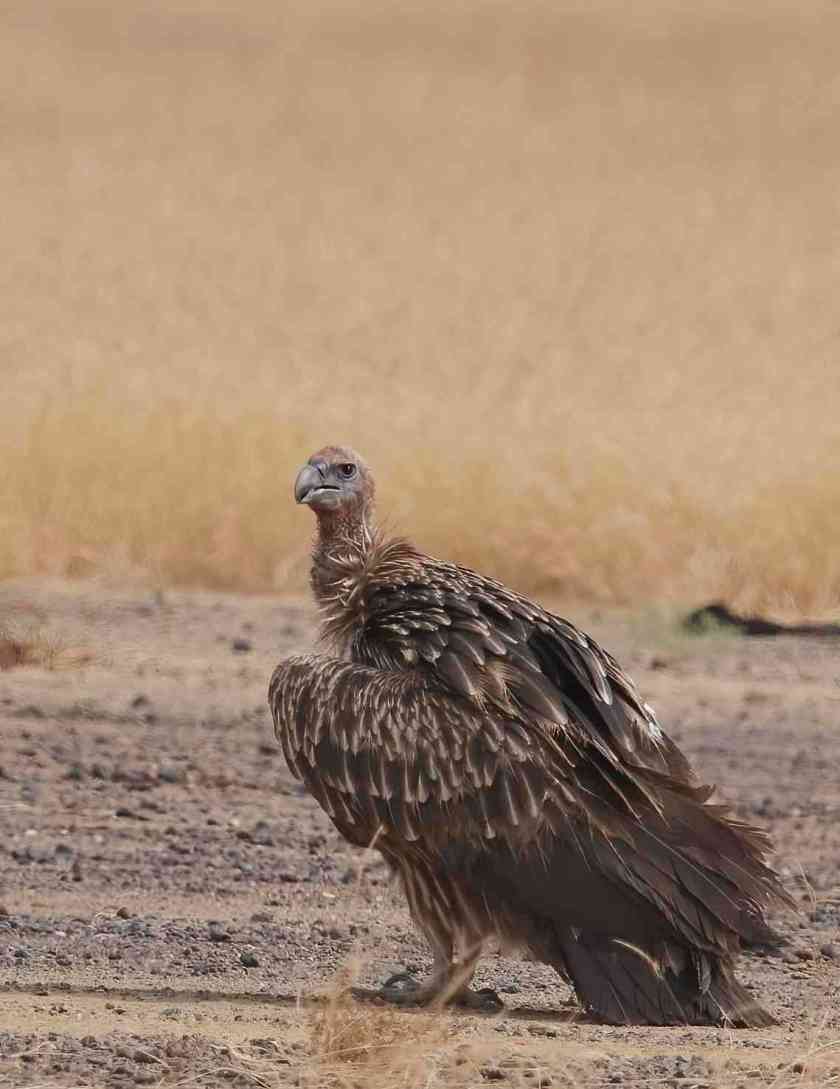
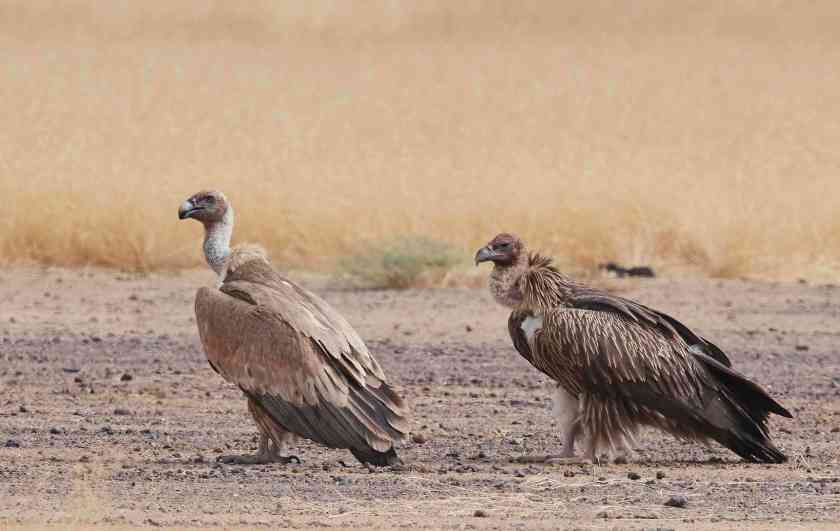
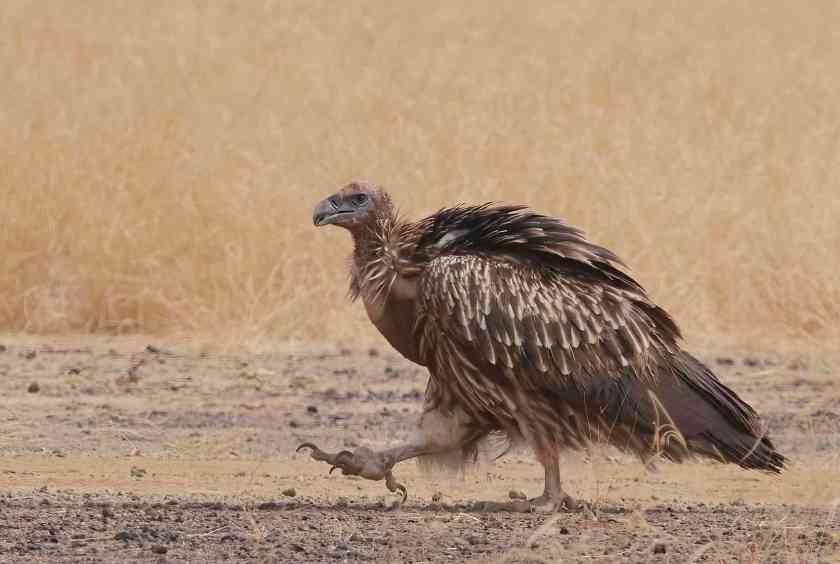
The Griffon Vultures give me all the poses possible in land and air
The attention again shifted to the Cinereous Vultures as they now started to circle and land in the patch and the smile never left our faces for the next hour as the twin Nikon D500s fired off like gatling guns in the desert – just that there were no casualties just memories captured on the SD card!
What follows now is an overload of Vulture photos in all sorts of poses as I couldn’t choose among these so I decided to put all the ones I liked. If I post all the photos on my card I will use up the entire space allotted for my page!
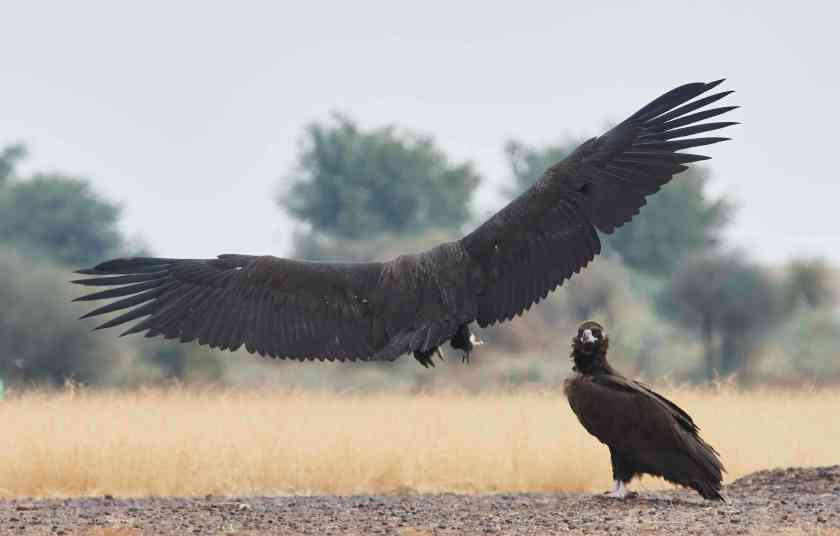
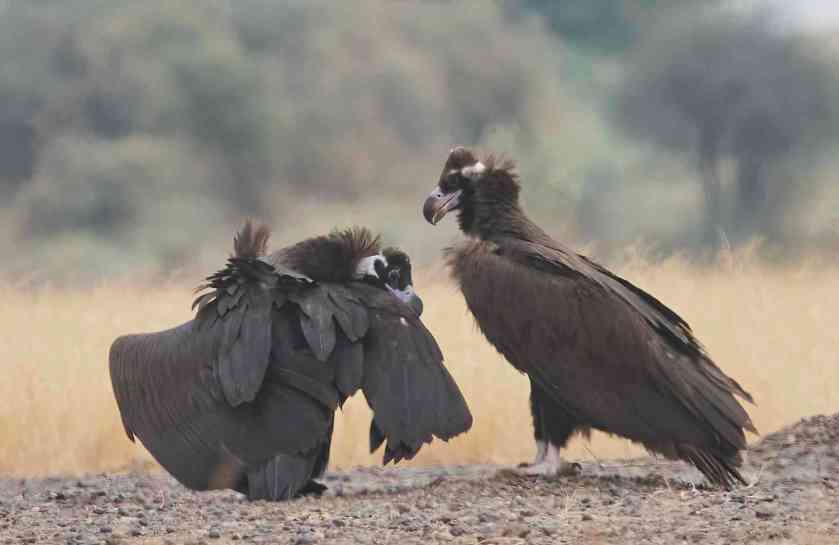

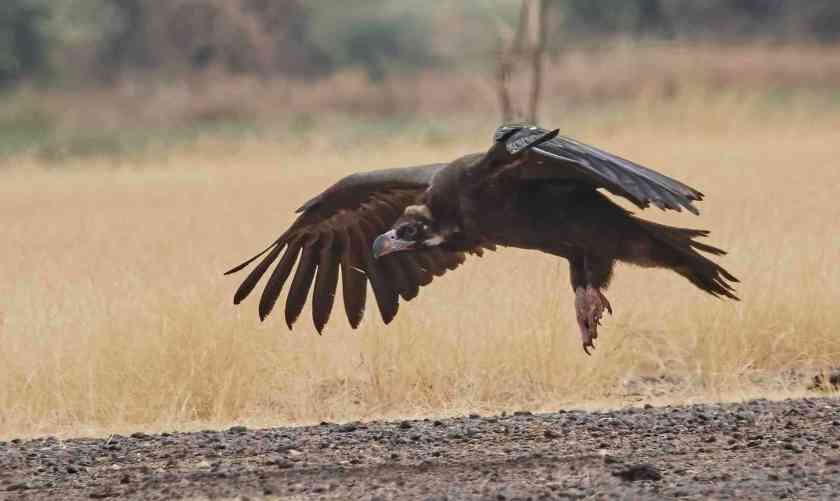
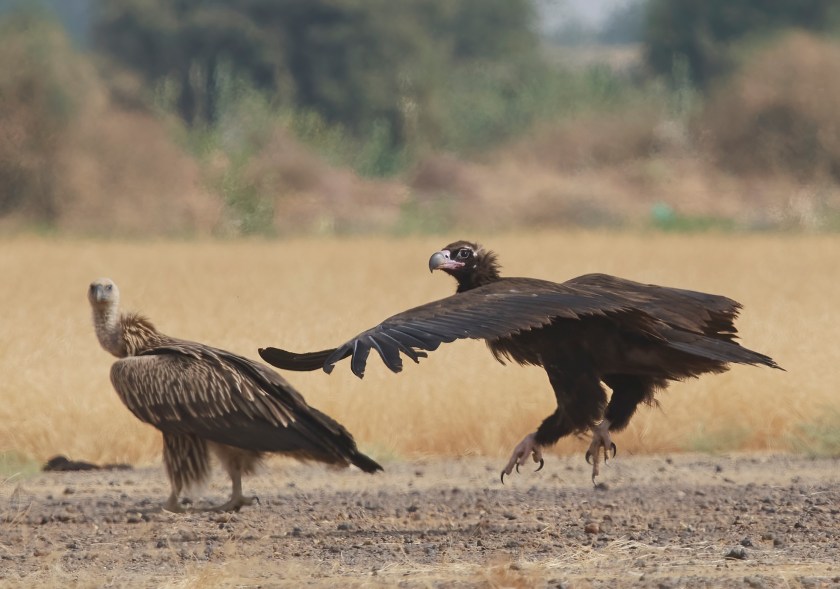
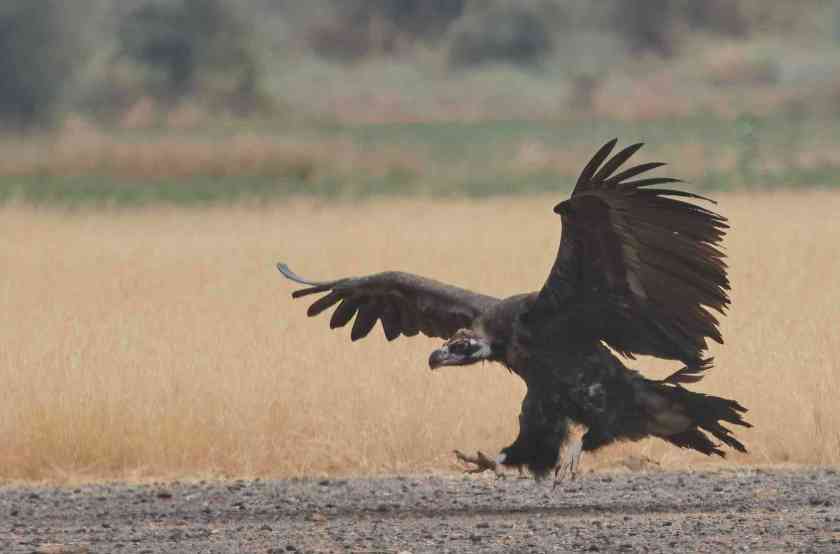
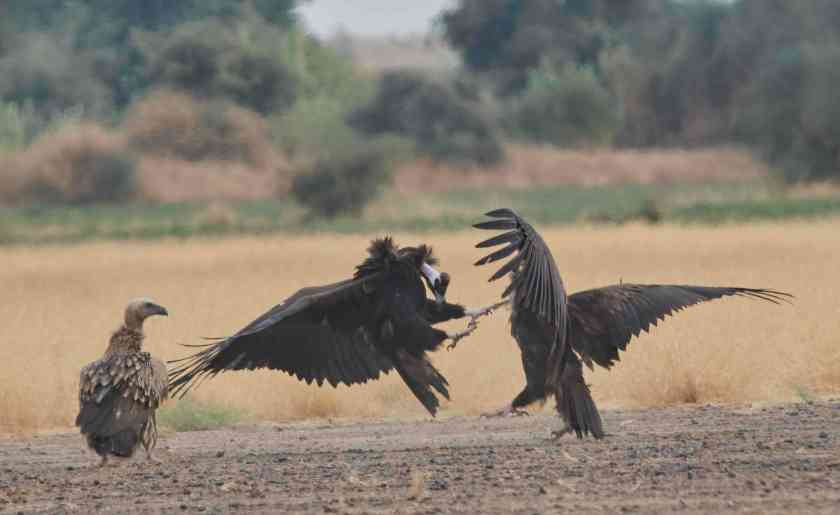
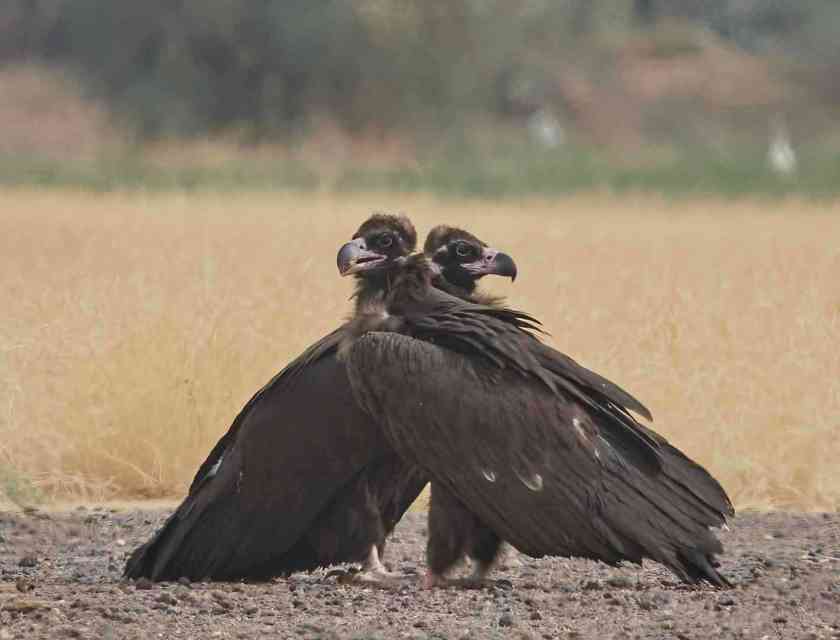
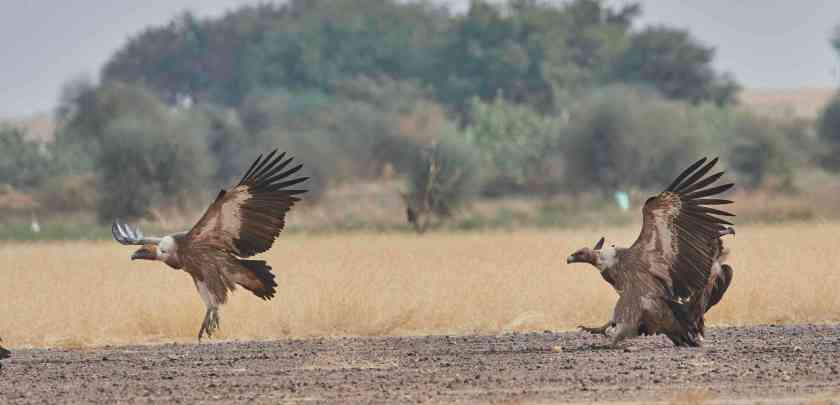
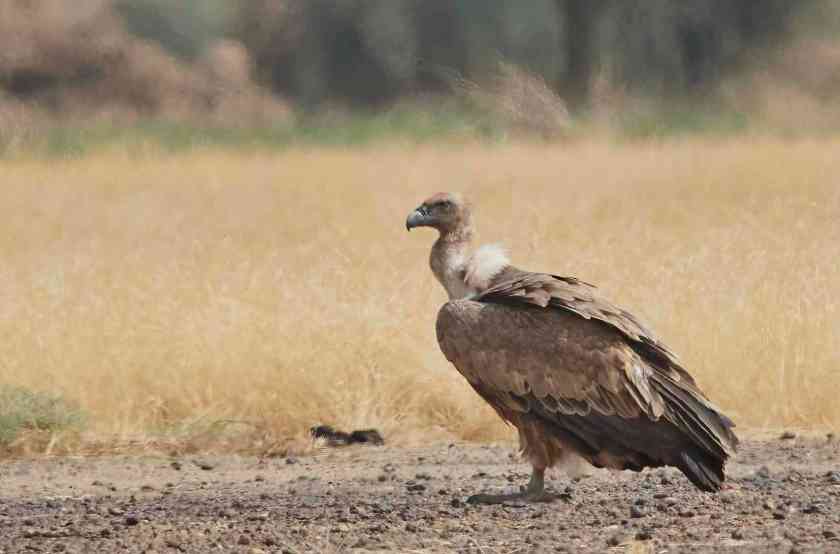
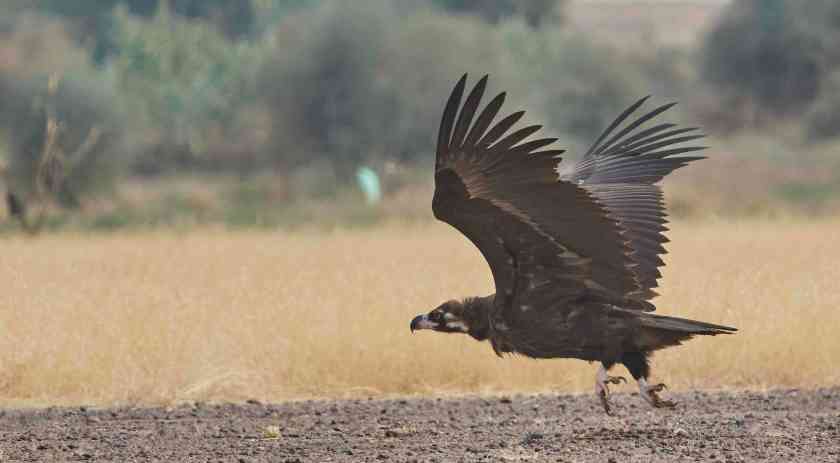

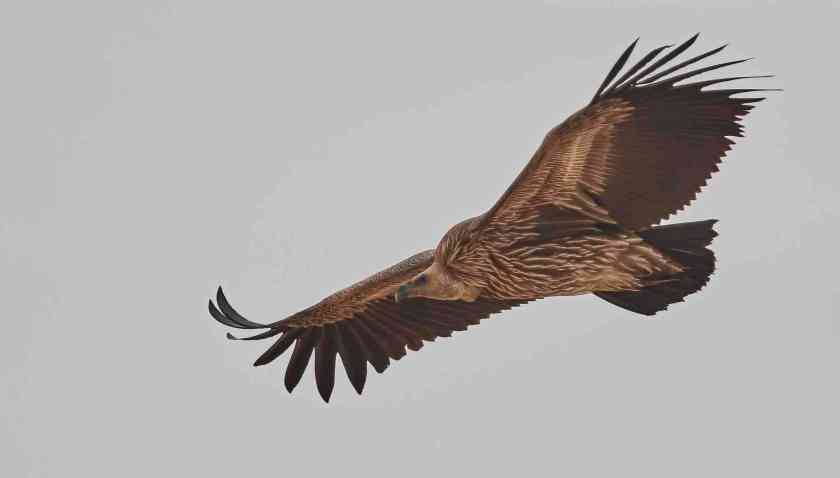
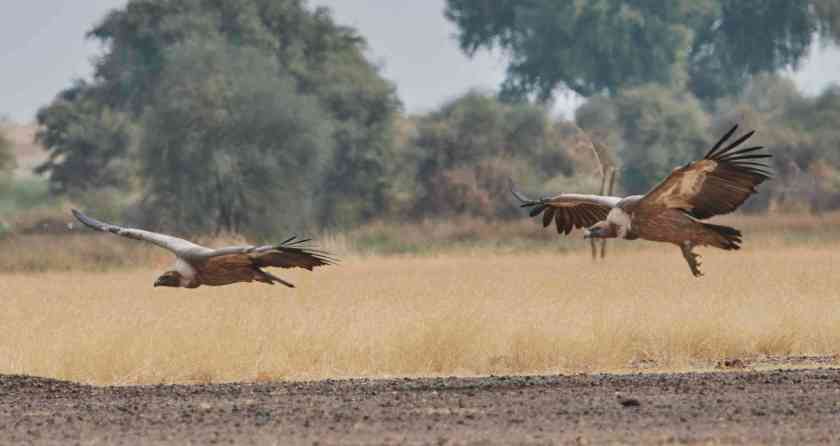
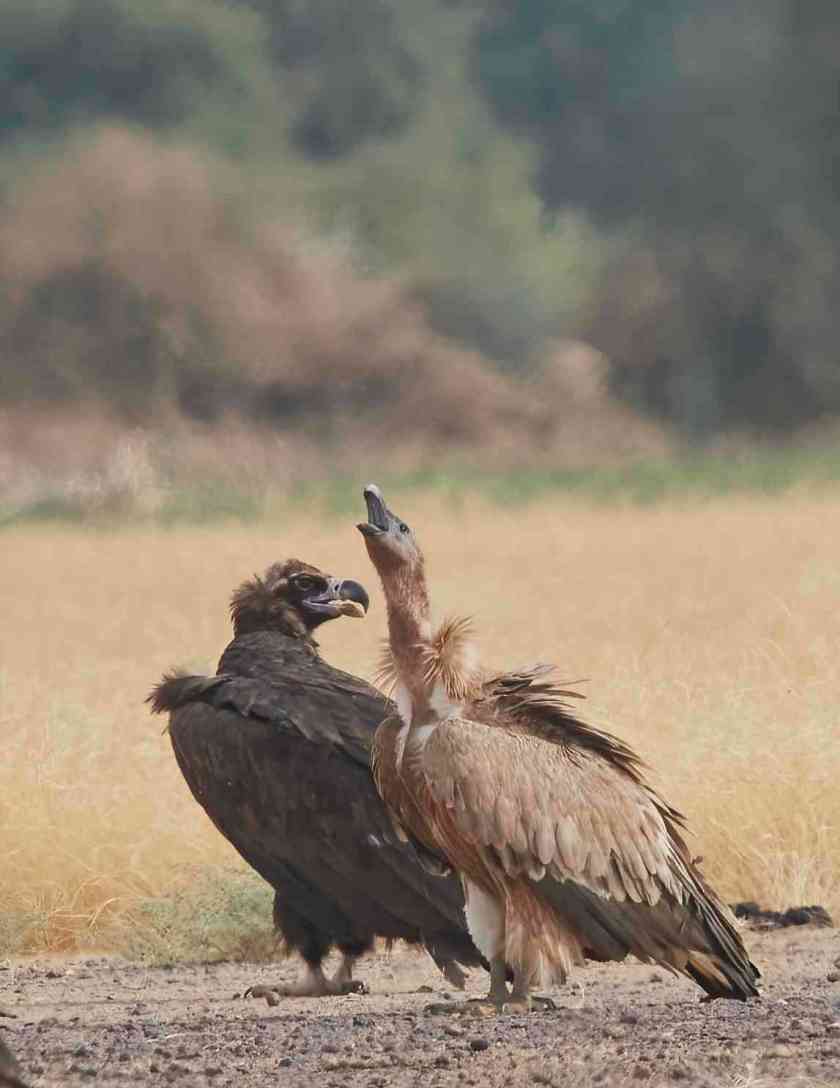
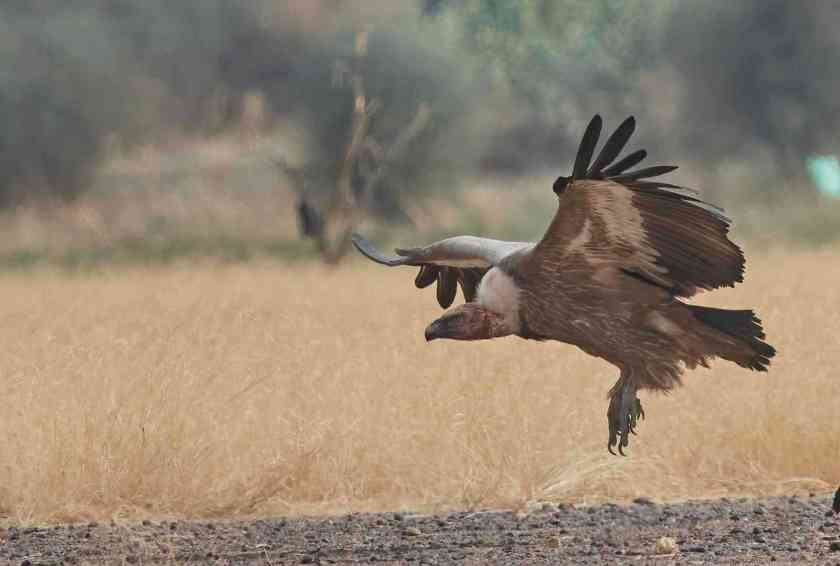
Cinereous and Griffon vultures in all poses you can imagine!
The most wonderful thing about the sightings here was that at there were only 2 vehicles at such a great photography opportunity. I’m very easy to satisfy when it comes to bird photography so by my standards we had far surpassed the expectations with which I had come to the Desert National Park.

A griffon lands with the only other vehicle with birders in the background
We still had 2 more drives left to see if the Desert National Park had any more surprises left for us. We would see if we could get a Bustard to jump from behind a bush or get better shots of the trumpeter finches. Whether we would get our wish is topic for another post, some other time, some other day!
Till then,
Bye.
 yogictravel
I’ve always been impressed by your knowledge of birds and animals, but the patience needed for this kind of photography is something else. Stunning pictures of all the birds but eagles and vultures stood out for me in this post.
LikeLike